点击播放《非典人生》
高清线路正在播放
非典人生
故事发生在非典爆发时期,林韦皓(杨恭如 饰)身为一名护士,抵挡着巨大的压力坚持奋战在第一线,其强大的勇气的毅力令人折服。和林韦皓恰恰相反的是身为医生的陈俊豪(谭耀文 饰),虽然身披白大褂,但疫情爆发的第一时间,他想到的竟然是逃跑,可渐渐的,陈俊豪被林韦皓的所作所为给打动了,惭愧的他决定肩负起自己的责任。 蓝雄(曾志伟 饰)是腰缠万贯的暴发户,可他的妹妹却偏偏爱上了默默无闻的药店老板(钱嘉乐 饰),蓝雄尽其所能的想要拆散两人,可是非典当前,当蓝雄生意破产失去一切时,是药店老板不计前嫌伸出了援手。
导演:暂无 主演:谭耀文/杨恭如/曾志伟/萧正楠/钱嘉乐
相关推荐
 ◎5.5▶
◎5.5▶狄仁杰之伏妖篇
该片讲述的是未入朝堂前的青年狄仁杰在恋人公孙玉和好友杨卢的帮助下,通过案件调查抽丝剥茧,智破长安城中“庆忌”小妖杀人案,以及勇保家国社稷和黎民百姓的故事。
 ◎8.9▶
◎8.9▶雷锋
1950年代未,雷锋(董金堂 饰)从鞍钢入伍,成为沈阳军区某部一名汽车兵。入伍后的雷锋保持一贯革命本色,扶危济困,乐于助人,而自己则一直以艰苦朴素为荣。一次和战友王大力(杨贵发 饰)在河边洗衣服,发现雷锋一双破的不能再补的袜子舍不得扔,王不解地问雷锋:你就一个人,怎么还舍不得花钱换双新袜子,钱存着干嘛!雷锋笑而不语。不久王大力家乡闹灾,他以王的名义寄去了钱,去差去辽阳,得知当地洪灾,他以一个解放军战士的名义捐出200元。雷锋还担任驻地校外辅导员,用自己的行动感染身边的孩子们。星期天去看病,路过一个建筑工地,他参加了一天义务劳动,执行任务回连队途中,冒雨送老大娘回家。雷锋的精神感动着身边的战友,大家都自觉象雷锋同志看齐......
 ◎3.8▶
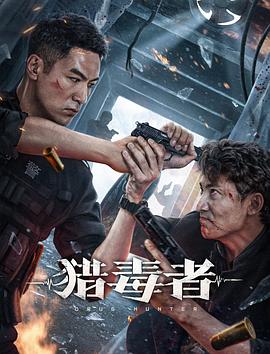
◎3.8▶猎毒者
电影讲述了一伙贩毒集团从境外走私毒品违法犯罪引起警方的高度重视,为了查清其走私途径以及销售渠道,缉毒队长宇帆带领队员与毒贩李勇斗智斗勇。
 ◎9.2▶
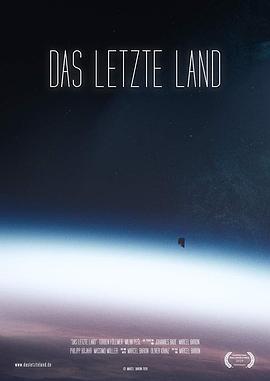
◎9.2▶最后之境
两个不同的人逃离一个荒凉的星球,在太空中寻找新家。
 ◎7▶
◎7▶日光之下
少女谷溪因没有户口即将失业,她一边继续寻找着社会关系来办理身份,同时又要尝试着接纳哥哥谷亮的新女友庆长。冬日来临,谷溪,谷亮,庆长的关系随着气温的骤降变得危险且暧昧。而此刻另外一种危险正在悄然生长,一具海上浮尸,一盘神秘磁带,让谷溪在青春与成人的世界边缘反复游走。她并不知道自己即将失去一切……
 ◎4.6▶
◎4.6▶EVEN 送给你的歌
桜田通や栗原吾郎ら若手俳優5人がバンド結成、音楽映画「EVEN~君に贈る歌~」
 ◎6.5▶
◎6.5▶响舞
年逾七十的索拉已拍過多次音樂舞蹈電影,被譽為真正的“歌舞片大內高手”,連《紅磨坊》Moulin Rouge導演巴茲魯曼的成名作《舞國英雄》Strictly Ballroom也受他啟發。05年的作品《嚮舞》Iberia是他第六度以佛朗明哥為題材的電影,但精力旺盛的他只要登高一呼,在全世界各大音樂廳表演的西班牙大師級舞蹈家及音樂家們,必定放下手邊工作,飛回西班牙參與影片的拍攝。 受到西班牙作曲家阿爾班尼士(Isaac Albeniz)「Iberia」12首組曲的啟發,《嚮舞》是一部完美結合西班牙藝術的音樂舞蹈電影。片中西班牙鋼琴大師蘿莎托爾斯帕朵(Rosa Torres Pardo)與舞者阿依達葛梅茲(Aida Gomez)等人皆是享譽國際的西班牙大師級表演者。 《嚮舞》全片在同一個攝影棚拍攝,但場景卻發生在西班牙十幾個城市,不僅日夜交錯,還在棚裡創造出大雨的氣勢,美術、場景及燈光的設計非常複雜,多才多藝的索拉不僅擔任本片的編導,也一手包辦所有場景的原始構想。總成本一億五千萬台幣的《嚮舞》,每天的拍攝都超過兩百多位的舞者、音樂家、歌唱家、以及工作人員,將偌大的攝影棚塞得滿滿的。 索拉集結了西班牙藝術表演之最,跨越媒材界線。從pure flamenco到new flamenco,在濃郁的佛朗明哥風情下,混搭著芭蕾、現代舞、佛拉明哥爵士與鋼琴Chano Domingo、古典國民樂派阿爾巴尼士的音樂與不同城市主題而呈現的不同曲風、實驗劇場表演,數位理性與肢體野性之交錯……西班牙頂尖藝術工作者傾巢而出,用豐沛的能量來創作這個世紀的《嚮舞》。 《嚮舞》的原片名“Iberia”一方面是伊比利半島的意思,另一方面也是“西班牙人”的意思。 向舞包含了佛朗明哥舞蹈的各种表演形式,每一个段落都捕捉到佛朗明哥舞的爱恨痴狂;舞台上充满力量却又细腻的舞蹈,将身体与心灵间的张力,柔美与劲道间的转换表达的淋漓尽致。从独舞到多人的轮舞,舞者混合着肢体的舞动和戏剧般的面部表情,让观众透过舞者的悲伤、喜乐、傲视、骄狠、热情、冷漠、诙谐、戏谑种种的表情,感受佛朗明哥似浅却深的魅力。此外,萝莎优雅的钢琴独奏到气势磅礴的管乐团演奏行进曲,吉普赛式真情的吟唱,音乐已不只是佛朗明哥舞的配角,而是与舞步相呼应着观众的呼吸起伏。
 ◎7.4▶
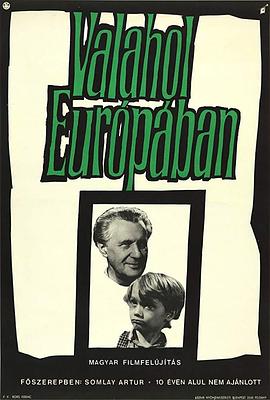
◎7.4▶欧洲的某个地方
Somewhere in the remote region, the war ends. In the midst of ruined cities and houses in the streets, in rural hamlets, everywhere where people still live, are children who have lost their homes and parents. Abandoned, hungry, and in rags, defenseless and humiliated, they wander through the world. Hunger drives them. Little streams of orphans merge into a river which rushes forward and submerges everything in its path. The children do not know any feeling; they know only the world of their enemies. They fight, steal, struggle for a mouthful of food, and violence is merely a means to get it. A gang led by Cahoun finds a refuge in an abandoned castle and encounters an old composer who has voluntarily retired into solitude from a world of hatred, treason, and crime. How can they find a common ground, how can they become mutual friends The castle becomes their hiding place but possibly it will also be their first home which they may organize and must defend. But even for this, the price will be very high. To this simple story, the journalist, writer, poet, scriptwriter, movie director, and film theoretician Béla Balázs applied many years of experience. He and the director Géza Radványi created a work which opened a new postwar chapter in Hungarian film. Surprisingly, this film has not lost any of its impact over the years, especially on a profound philosophical level. That is to say, it is not merely a movie about war; it is not important in what location and in what period of time it takes place. It is a story outside of time about the joyless fate of children who pay dearly for the cruel war games of adults. At the time it was premiered, the movie was enthusiastically received by the critics. The main roles were taken by streetwise boys of a children's group who created their roles improvisationally in close contact with a few professional actors, and in the children's acting their own fresh experience of war's turmoil appears to be reflected. At the same time, their performance fits admirably into the mosaic of a very complex movie language. Balázs's influence revealed itself, above all, in the introductory sequences an air raid on an amusement park, seen in a montage of dramatic situations evoking the last spasms of war, where, undoubtedly, we discern the influence of classical Soviet cinematography. Shooting, the boy's escape, the locomotive's wheels, the shadows of soldiers with submachine guns, the sound of a whistle—the images are linked together in abrupt sequences in which varying shots and expressive sharp sounds are emphasized. A perfectly planned screenplay avoided all elements of sentimentality, time-worn stereotypes of wronged children, romanticism and cheap simplification. The authors succeeded in bridging the perilous dramatic abyss of the metamorphosis of a children's community. Their telling of the story (the scene of pillaging, the assault on the castle, etc) independently introduced some neorealist elements which, at that time, were being propagated in Italy by De Sica, Rossellini, and other film artists. The rebukes of contemporary critics, who called attention to formalism for its own sake have been forgotten. The masterly art of cameraman Barnabás Hegyi gives vitality to the poetic images. His angle shots of the children, his composition of scenes in the castle interior, are a living document of the times, and underline the atmosphere and the characters of the protagonists. The success of the picture was also enhanced by the musical art of composer Dénes Buday who, in tense situations, inserted the theme of the Marseilaise into the movie's structure, as a motive of community unification, as an expression of friendship and the possibility of understanding. Valahol Europaban is the first significant postwar Hungarian film. It originated in a relaxed atmosphere, replete with joy and euphoria, and it includes these elements in order to demonstrate the strength of humanism, tolerance, and friendship. It represents a general condemnation of war anywhere in the world, in any form.
 ◎6.8▶
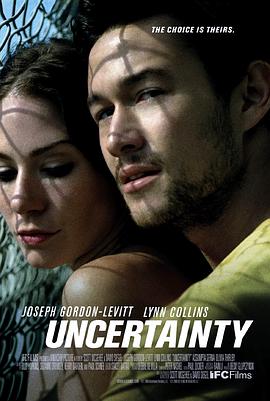
◎6.8▶不确定
7月4日,布鲁克林大桥,一枚抛掷落地的硬币,绿色通道以及黄色通道。 年轻夫妇凯特(琳恩·柯林斯 Lynn Collins 饰)和鲍比(约瑟夫·高登-莱维特 Joseph Gordon-Levitt 饰)深深相恋,然而当他们来到布鲁克林大桥上时,却将彼此的命运交托于一枚小小的硬币之上。于是7月4日这个看似极为普通的一天,对二人来说变得意义非常。当硬币掷地,凯特与鲍比向着两个相反的方向迅速奔跑,而他们的未来,无人知晓。 现实立刻被分割成两条平行时空。在绿色通道中,凯特和鲍比来到了凯特在布鲁克林的家中,度过了宁静而幸福的一天;而在黄色通道中,二人却莫名其妙的来到危机重重的曼哈顿,卷入一场生死攸关的抢劫案中,濒临绝境。
 ◎9.2▶
◎9.2▶卡利达萨 2
在一场跨年夜庆祝活动中,一名 4 岁女童从封闭式住宅小区内神秘失踪,巴拉特饰演的警督“卡利达萨”(Inspector Kaalidas)随即介入调查。随着调查深入,小区内接连发生多宗诡异命案,包括另一名女孩溺水、一名医生坠楼等。案件背后隐藏着一个由名为斯蒂芬(Stephen)的神秘幕后黑手所操纵的、交织着惩罚与复仇的黑幕。
 ◎4▶
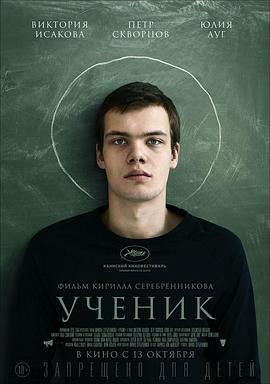
◎4▶门徒2016
“那些追随光亮的人们,只会带来黑暗。” ——罗伯特·德恩诺 少年韦尼亚明正面临着一次神秘的危机,他提出的疑问扰得他的母亲、同学和整所高中鸡犬不宁。 —女孩们能穿比基尼去上游泳课吗? —性教育在学校课程中有一席之地吗? —应该把进化论作为自然科学的一部分来教授吗? 很快,这个只对《圣经》发过誓的男孩的深信不疑把大人们彻底打败了。只有他的生物老师埃琳娜例外,她将对他的权威发出挑战。
 ◎9.9▶
◎9.9▶柳生一族的阴谋
剧情简介暂缺,敬请期待
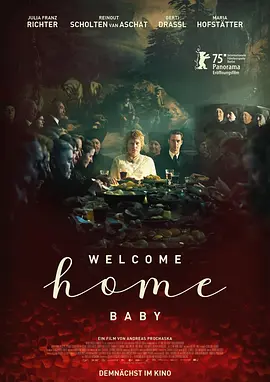 ◎--▶
◎--▶欢迎回家,宝贝
朱迪思是柏林的一名急诊医生。当她从奥地利的一家人那里继承了一栋房子,而这家人正是她在童年时期被送给的收养家庭时,她踏上了揭开自己身世之谜的旅程。然而,这一探寻最终变成了一场噩梦般的探索,不仅揭开了过去的面纱,还深入到了她灵魂深处的黑暗地带。
 ◎--▶
◎--▶万恶之恶
In detail, The Villain of Villains follows 12-year-old rebellious Stephanie, who dreams of becoming a superhero like her late mother but fails the entrance exam to the Hero School. She gets a second chance if she infiltrates the Villain School to retrieve a powerful artefact that's been stolen. At the Villain School, her loyalty is tested, and her search leads her to the Villai...
 ◎--▶
◎--▶热血大陈岛
影片以大陈岛垦荒历史为创作底色,在尊重历史真实性的前提下,以年轻化、科技化的光影语言活化红色记忆,生动诠释了“艰苦创业、奋发图强、无私奉献、开拓创新”的大陈岛垦荒精神,斩获第五届亚洲国际青年电影展金兰奖“最佳AI影片”等两个奖项。
 ◎--▶
◎--▶破暗
暂无简介,敬请期待
 ◎--▶
◎--▶猎虎贰
暂无简介,敬请期待
 ◎--▶
◎--▶港城大劫案
暂无简介,敬请期待