
内容简介
根据小说《The glass room》(玻璃屋)改编,卡里斯·范·侯登 (Carice van Houten)倾情出演,描述了在那一个战火纷飞的年代,两个女人跨越多年的爱情,最终修成正果,He~
相关推荐
 ◎8.3▶
◎8.3▶恩赐妙手:班·卡森医师
本·卡森,是一个天才的神经外科医生,从贫民升任为约翰·霍普金斯医院的少儿神经外科负责人。他接受各种挑战,以挽救孩子的生活。本片讲述了他的谦虚和诚实的故事,同时也是一个鼓舞人心的爱情故事……
 ◎5.5▶
◎5.5▶无语问苍天
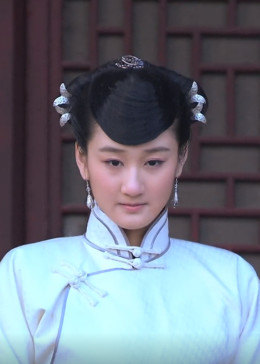
柳易寒生孩子的时候,刚好他丈夫出车祸死了,所以老夫人就认为她和她孩子是不祥的,然后她忍辱负重在赵家生活了5年,直到遇见了赵念之,两人产生感情,一起冲破世俗的束缚,历尽苦难走到一起,女主的女儿也在苦难的生活中受到强烈刺激,开始开口说话了……
 ◎6▶
◎6▶正好的我们
影片讲述从小怀揣检察官梦想的张蓦然,在高中爱情萌芽期,喜欢邻班同学苏忆,随后,两人双双考入大学。张蓦然如愿以偿学习法律专业,苏忆则是学习金融专业。毕业后,张蓦然顺利进入检察院,完成儿时梦想,成为一名检察官。苏忆却经历爱情徘徊期。一边是青梅竹马的青年才俊张蓦然,一边则遇上霸道总裁夏启东,爱情之路一波三折。苏忆的犹豫不决,让张蓦然愤然离开,选择回归自己的正常生活。
 ◎6.8▶
◎6.8▶魅力姐妹淘
這群女子踏進高級伴遊女郎的世界,務求光鮮亮麗、財源滾滾、並且伺機改造自己,然而一場命案及竊案,恐導致一切灰飛煙滅。
 ◎5.9▶
◎5.9▶聊斋志异之瞳人语
本片讲述了秀才方栋因为贪图美色危及生命,他善良的丫因为深爱着方栋选择牺牲自我换回方栋。浪子回头的方栋踏上寻回真爱的旅程,并在路上偶遇并救了被压迫的善良女妖,在捉妖师等人帮助下,最终有情人终成眷属的凄美爱情故事。演职员
 ◎5.8▶
◎5.8▶抗击
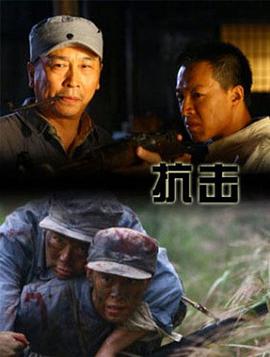
故事发生的背景是抗日战争时期的山东省某偏远山村,邱云鹤饰演的主人公栓子家中世代以打猎为生,战火蔓延到这个偏远的小山村,为了国仇家恨,他和他的小叔铜锁(邹笨笨饰)投入了这场保家卫国的战争。
 ◎8▶
◎8▶一百零八
电影讲述了驻唱歌手肖兰(吕星辰 饰)离开成都前往什邡,在遭遇男友陆地(高亮 饰)的闭门之痛后决定引产,沮丧之时突遇地震袭击。医护人员全力保护全院孕妇紧急转移至安全区域罗汉寺,自此寺院变产院,禅房变产房。这期间,肖兰亲历了灾难中人性极限的撕裂与挑战......
 ◎6.9▶
◎6.9▶瞧这一家子1979
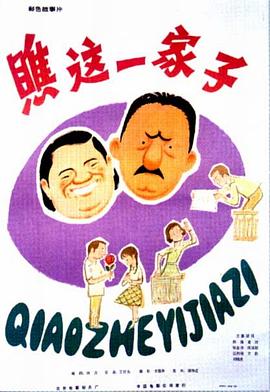
曙光毛纺厂精织车间主任老胡(陈强饰),一向埋头苦干但思想僵化,觉得工作就得埋头苦干而搞技术革新是投机取巧。女儿嘉英(张金玲饰)是精织车间的挡车工,她正与车间的修理工郁林(汪用桓 饰)相恋。在车间党委书记老齐的启发下,郁林和嘉英等几个青年工人想把光电管装到织机上,利用“光电探纬设计方案”以提高产品质量,减轻劳动强度,所以和老胡发生了矛盾,连郁林为老胡理发都搞得不欢而散。 而老胡的儿子嘉奇(陈佩斯饰)因为在文革中没有受到良好教育而有些好逸恶劳,但本性不乏闪光点,一次与朋友大阮、张岚(刘晓庆饰)在逛公园的过程中奋不顾身跳入水中救根本没落水的孩子,这些却给孩子的姑姑一一新华书店的营业员林小红(方舒饰)留下了好印象。 另一方面老胡也在工作中有所触动希望去书店找一些技术资料进行学习,却被工作态度蛮横的张岚搞得争吵起来,林小红出面解决了问题。而胡嘉奇应张岚的邀请教大家舞蹈,不仅满口白字,譬如“如火如茶”“披荆斩辣”,而且动作夸张僵硬,只有小红作为手风琴手默默鼓励和支持他,这使得嘉奇对她产生了好感,并决心用学习使得自己进步。 经过周折,光电探纬仪试验成功。“十一”前夕,郁林和嘉英喜结良缘。老胡请来张岚,嘉奇请来女友小红,张岚、小红一齐来到老胡家中,老胡、胡婶错把张岚当作未来的儿媳。大阮赶来接走张岚,这时,大家才知闹了个笑话。小红和嘉奇幸福地依偎在一起。值得一提的是电影中客串扮演摄影师的正是已故著名相声表演艺术家马季。 本片于1980年 获第三届电影百花奖最佳配角奖(刘晓庆),文化部1979年优秀影片奖、青年优秀创作奖(王好为、张金玲、刘晓庆)。
 ◎9.3▶
◎9.3▶不安分的年轻人们
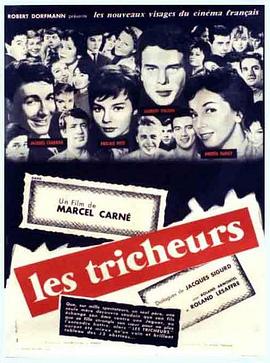
Middle class student Bob Letellier enters a new world when he meets Alain, a free-thinking rebel who, along with his group of young Parisians, has opted for a life of instant gratification instead of work and commitment. At a party, Bob meets a young woman, Mic, who appears to be just as carefree and cynical as Alain. Mic's only dream is to own a luxury car, and with Bob's help, she manages to find the money to but it. Mic's friend Clo discovers she is pregnant and, not knowing who the father is, she asks Bob to marry her. When they next meet at a party, Bob and Mic deny that they have any feelings for one another - a declaration that soon leads to tragedy... Marcel Carné is widely regarded as one of the standard bearers of French quality cinema of the 1930s and 1940s, responsible for such masterpieces as Quai des brumes (1938) and Les Enfants du Paradis (1945). How ironic then that, in 1958, towards the end of his film-making career, he should make a film which dared to portray the attitudes and behaviour of the 1950s youth, in a way that effectively captures the mood and sentiment of the time. Les Tricheurs was a hugely controversial film, not least because of its blatant depiction of adolescent free-love, and was even banned in some regions of France. It also received some intensely unfavourable reviews, most notably from the young hotheads on the Cahiers du cinéma such as François Truffaut who cited this film as a prime example of the decline of French cinema into mediocrity. In spite of all this negative press, the film proved to be an astonishing commercial success, attracting five million cinema-goers, and was awarded the Grand Prix du Cinéma français in 1958. Whilst Les Tricheurs is not as flawless as Carné's earlier masterpieces, it is nonetheless a significant work, having the power to both shock and move its audience, whilst having great entertainment value. It evokes the mood of its time in a way that few French films of this period did, depicting young people as pleasure-seeking rebels, rejecting the austerity and discipline of the previous generation whilst pursuing a life without cares, responsibilities or love. Similarities with James Dean's films of the 1950s (most notably Rebel without a Cause) are apparent, although Carné's treatment of young people is far more abstract - in his film they merely symbolise a world that has lost its way, more or less victims of post-war prosperity. Although the young people in Les Tricheurs lack the authenticity to be totally credible, the film does make an important, and indeed quite disturbing point, about where the permissive society may be heading. Much of the pleasure of the film is in the performances from its four lead actors, Jacques Charrier, Pascale Petit, Laurent Terzieff and Andréa Parisy, although only Terzieff is really convincing in his role. Marcel Carné originally considered Alain Delon and Jean-Paul Belmondo for the parts of Bob and Alain respectively, before opting for Charrier and Terzieff. As a consolation, Carné offered Belmondo a smaller part in the film - alas too small for the actor to be noticed by the public. Belmondo's breakthrough had to wait until the following year when he starred in Jean-Luc Godard's revolutionary A bout de souffle, a film which offers a very different perspective of the youth generation.
 ◎5.7▶
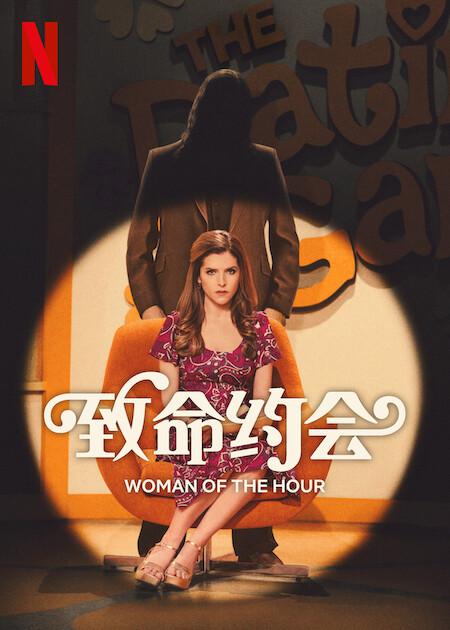
◎5.7▶致命约会
谢丽尔·布拉德肖是一位在1970年代热门电视节目中寻找伴侣的单身女性,她选择了迷人的单身汉罗德尼·阿卡拉,却不知道在这个男人温和的外表背后隐藏着致命的秘密。
 ◎8.3▶
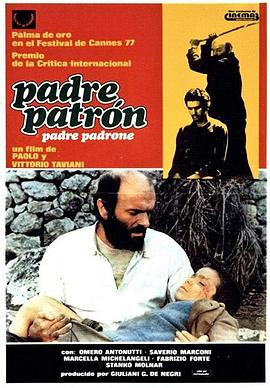
◎8.3▶我父我主
剧情改编自意大利语言学家兼小说家佳维诺莱达自学成功的真实故事,他原是萨丁尼亚地区的牧羊人,二十岁之前还目不识丁,后因不堪父亲的淫威而自愿从军。军中一位袍泽教他读书识字,从此改变了他的精神世界。退伍后他跑去上大学研究语文,然后回故乡用知识跟严父对抗。 幕后花絮: 本片是意大利导演塔维亚尼兄弟首部扬威国际影坛的力作,获戛纳电影节金棕榈大奖。导演用沉寂多时的意大利新写实主义电影手法来处理这个发生在穷乡僻壤的父子对抗故事,气氛平实感人,有一种原始的美。当年轻的佳维诺在聆听了陌生人的手风琴演奏,而决定拿两只小羊换取手风琴的那一刻令人兴奋,因为他终于采取行动反抗父亲了。
 ◎8.2▶
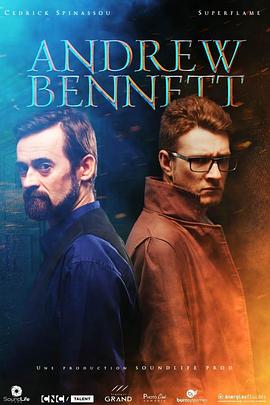
◎8.2▶魔法刑者
他看守著神秘的魔法之門,為了追查受詛咒的復仇之書,他來到發生一連串警方未解謀殺案的小鎮,在當地魔法人員協助下緝捕到謀殺案背後的策劃者,但隨即發現有更深不可測的黑魔法在計劃著終結人類世界!他來得及阻止這場毀滅嗎?