内容简介
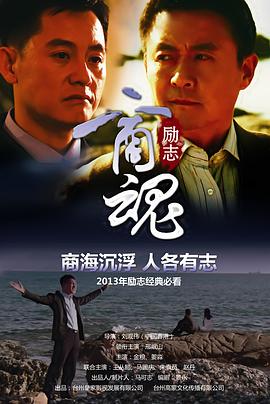
该片讲述两个白手起家的年轻人商战的故事。
相关推荐
 ◎3▶
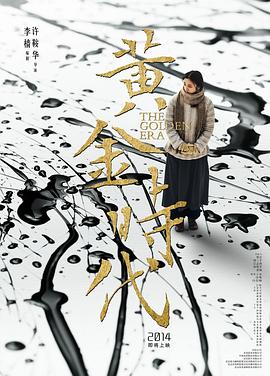
◎3▶黄金时代
20世纪30年代,20岁的张乃莹(汤唯 饰)逃婚求学,却惨遭抛弃。投靠未婚夫汪恩甲(袁文康 饰)后的张乃莹依然躲不开被抛弃的命运,好在遇到了在报社工作的进步青年萧军(冯绍峰 饰),两人相知相爱。通过萧军张乃莹认识了女编辑白朗(田原 饰)、罗峰(祖峰 饰)夫妻以及聂绀弩(王千源 饰)等文学作家,改名“萧红”后的她得到了鲁迅(王志文 饰)、许广平(丁嘉丽 饰)夫妇的首肯,随后又结识了了胡风(冯雷 饰)、梅志(袁泉 饰)夫妇、蒋锡金(张译 饰)、丁玲(郝蕾 饰)、端木蕻良(朱亚文 饰)等人,在同时代作家的互相鼓励之下,虽然战事不断、颠沛流离,萧红却逐步走向了创作的“黄金时代”。
 ◎4.9▶
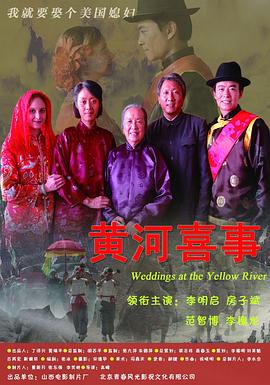
◎4.9▶黄河喜事
张蓝花(李明启 饰)现已年逾古稀,解放前她是做为给地主家冲喜的工具,被花轿抬进豪门的,情郎王天亮(李槐龙 饰)冒死将她救出,然后参加了解放军,从此杳无音讯。如今,在美国的孙子王贵(李槐龙 饰)即将回国完婚,一家人为孙子娶个什么样的媳妇争论不休。原来,当年她生下的独子王平安(房子斌 饰)背着她爱上地主家闺女刘桂兰(范志博 饰),并不顾她强烈反对,硬是在黄河岸边拜了堂,她真不想孙子也重蹈覆辙。在全家人的盼望下,王贵终于回来了,带回来的是一个结过婚的而且比王贵年龄还大的洋媳妇李香香(伊丽娜 饰),这可把张蓝花气坏了。但香香的真诚渐渐感动了大家,在婚礼上,颠轿的唢呐声仿佛把张蓝花带到了久远年代......
 ◎5.6▶
◎5.6▶恰逢那年花开
电影通过大学校园的一场爱情故事,大学校园的生活,反映了现实生活中大学生存在的一些问题。影片中影射现实大学生,要拼搏,不要攀比,每个人都有独一无二的美,更不要投机取巧,异想天开,只要肯努力就会有所收获。影片告诫我们要珍惜自己的生活,要努力积极向上,不随波逐流,要做社会中积极地一份子,不要因为自己的私欲而去污染这个社会。我们恰逢生活在这个如花一般美好的社会,更要感恩这个国家给予我们的一切希望,发愤图强。要坚持好的品格,讲责任,有爱心。爱情是美好的,但爱情不应该是盲目的,我们应该为了心中那份美好的感情而去努力,不应该因为爱情而堕落。影片也警告了那些试图破坏社会秩序的人,一定会受到该有的惩戒。
 ◎6.4▶
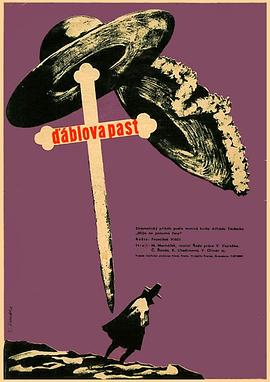
◎6.4▶魔鬼的陷阱
In the time of Counter-Reformation, a miller and his son come under investigation by a priest of the Inquisition, when rumors spread that their prosperity comes from working with the Devil. The Devil's Trap is a film directed by František Vláil, based on a novel by Alfréd Technik, adapted by František A. Dvorák and Miloš Kratochvíl. It was the first of three historical dramas that Vláil made during the Czech New Wave (technically he isn't really a part of the New Wave, however these films were made during the same era of artistic freedom), preceding his more well known Marketa Lazarová (1967) and Valley of the Bees (1968). Set in the late 16th Century during the Catholic Reformation, in the Moravian Karst, situated in what is now the Eastern Czech Republic, it tells the tale of a miller (Vítezslav Vejrazka), and his son Jan (Vít Olmer), who come under suspicion and are investigated by a Jesuit priest of the Inquisition (Miroslav Macháchek), when rumors of witchcraft are spread by the local regent (Cestmír Randa), who is jealous of the miller's prosperity and degree of respect among the local populace. As expected from Vláil, this film is a stunning experience all the way through. From the opening shot, an ominous manipulation of perspective with a close up of a mangled figure of Christ dominating the foreground against a tiny figure in black walking along the horizon, to the breathtaking confrontational finale inside the vast stalactite filled Karst caverns, it is a wonderful display of visual mastery. Maybe not quite as impressive as Marketa Lazarová, but still full of astonishing imagery. As seen from unique angles and distinct points of view which highlight the director's remarkable sense of awareness of framing, motion, and positioning on the emotional and dramatic tone of the scene. The most memorable being a repeated shot where the camera is suspended and launched with speed through the air towards the miller's door. The story here is a simple one and I would say more accessible than his later works. With a conventional structure emphasized as much by its plot and characters, than by its expressionistic cinematography or authentic historical detail. The events play out without much surprise, and there is a strong underlying, almost supernatural, mysterious aspect that is left unresolved, in fact barely explored, which is slightly disappointing, but only because it's so fascinating that I wish there was more. Acting is great all around. Particularly the villains Miroslav Macháchek as the priest, casting a sinister and imposing shadow wherever he goes, and Cestmír Randa as the weasel like regent behind all the persecution. While Vít Olmer brings a charismatic leading man presence in his role as the miller's son Jan, in love with the lovely orphan girl Martina (Karla Chadimová), who becomes a dangerous object of rivalry between Jan and other young men of the village. The film also features the evocative music of Zdenk Liška (perhaps the most prolific composer of the Czech New Wave). In this his second of eleven collaborations with Vláil, his compositions are used sparingly, but to great effect, complimenting but never overpowering a scene. The best example of which can be heard in an amazingly shot celebration and dance sequence at the end of the second act. The Devil's Trap might not be a masterpiece, but it is still a strong effort, with a fascinating straightforward story and a glorious historical setting captured beautifully by Vláil's unmistakable visual prowess. A fine work that would also be the perfect starter plate to prepare yourself for the challenging feast of Marketa Lazarová or The Valley of the Bees. It even has an easy to digest running time. It's therefore puzzling why this gem remains largely overlooked and ignored.
 ◎7.1▶
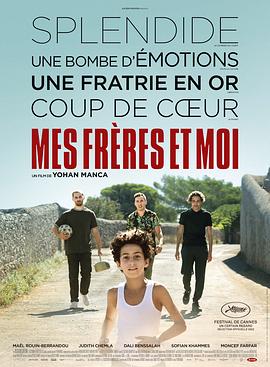
◎7.1▶我和我的兄弟们
十四岁的努尔正在法国南部享受暑假,他是四兄弟中最小的一个。他们一起住在市政厅,轮流照顾昏迷的母亲。母亲曾经喜欢意大利歌剧,所以努尔为她演奏,并培养了对这种音乐的热情。在社区工作和家里日益紧张的气氛之间,努尔梦想着逃离到一个遥远的地方。当他遇到一位教暑期课程的歌剧歌手莎拉时,他终于找到了走出困境并探索新视野的机会。
 ◎3.6▶
◎3.6▶爆裂之城
退役国际刑警专家陆飞,结婚前夕遭遇未婚妻苏曼的不辞而别。路飞在寻找的过程中,从机场监控视频看到苏曼登机飞往东南亚A国,可机场信息显示该女子并不叫苏曼。路飞心中疑窦重重,为追寻真相追踪到东南亚A国首
 ◎9.5▶
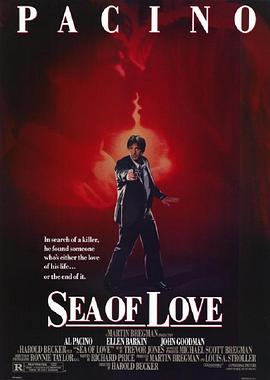
◎9.5▶午夜惊情
被妻子抛弃的痛苦让警察弗兰克(阿尔·帕西诺 Al Pacino 饰)陷入了痛苦的深渊无法自拔,每日,只有尼古丁与酒精才能够给予他救赎。一宗谋杀案的发生打破了城市的平静,弗兰克和搭档舍曼(约翰·古德曼 John Goodman 饰)负责此案。通过种种调查,弗兰克发现凶手是一名女子,她通过报纸上的征友启事寻找猎物,之后残忍的将他们杀害。 为了追击凶手,弗兰克伪造了自己的身份在报纸上刊登了启事,一个叫做海伦(艾伦·巴金 Ellen Barkin 饰)的女人出现在了他的面前。几乎所有的证据都证明了海伦就是案件的真凶,但此刻的弗兰克发现,自己竟然真的对海伦产生了依赖和感情,与此同时,危险也悄悄的来到了他的身边。
 ◎4.8▶
◎4.8▶吮拇指的人
每个人的青春期都或多或少的有过迷茫,躁动,愤怒和困惑。电影主人公贾斯汀(卢•泰勒•普奇 Lou Taylor Pucci饰)有着吮拇指的幼稚习惯。贾斯汀一直想要克服这个难缠的习惯,其实这个习惯只是一个青少年青春期困惑的一个缩影,其他的困惑还包括性和家庭等。在改变这个习惯的意愿下隐藏的,是贾斯汀对成长的不自觉的渴望。每个人成年人都可以在这部电影中找到自己曾经的影子,这个故事中的严肃,真挚,诙谐,都是那段青春时光不可抵抗的魅力。
 ◎3.9▶
◎3.9▶卿何薄命之羔羊少女
半熟年纪,是人生最危险的时期…… 从重案组被调往「明灯计划」的女警程姐(陈昭昭),其首项任务是辅导榕榕、大家乐和摇摇三位问题少女。 榕榕的姐姐蒽猪男友肥佬贩毒维生,引起警方注意....
 ◎9.8▶
◎9.8▶谁不说俺家乡好
一场跨越世纪、跨越海峡的白金婚礼;一个夫妻离别七十年后破镜重圆的故事;一段爱情、亲情、 乡情血泪交织的情路历程。 上世纪四十年代,在河南一个叫夏源村的地方,乡村⻘年冯念国在婚礼上被国民党抓了壮丁,后辗转去了宝岛台湾,家乡亲人天各一⽅。未入洞房就守起活寡的新娘王秀云,七十年守望如初、 痴心未改。
 ◎6.9▶
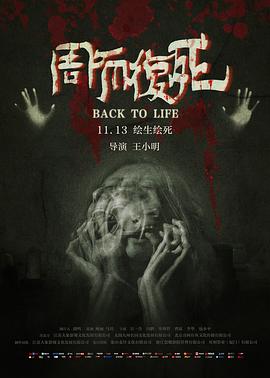
◎6.9▶周而复死
一个步入“四十岁危机”的画家,为了让自己的作品升值,导演了一个“惊天的阴谋”,最后却变成了一个让人啼笑皆非的“闹剧”。
 ◎7.7▶
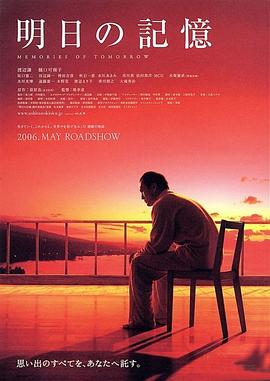
◎7.7▶明日的记忆
年届五十的广告代理商营业局部长佐伯雅行(渡边谦 饰)事业有成,与妻子枝实子(樋口可南子 饰)生活幸福,多年来伉俪情深。他们的独生女梨惠(吹石一惠 饰)也即将步入婚姻的殿堂。然而如此美满幸福的生活,