内容简介
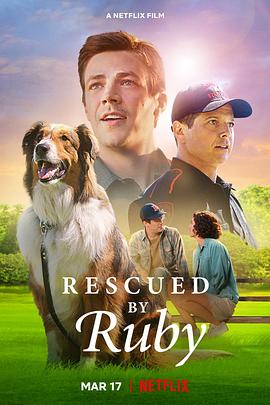
州警察丹(格兰特·古斯汀饰)梦想加入 K-9 搜救队,却苦于得不到机会。收容所犬露比梦想有一个家,却看不到希望。当命运让丹和露比相遇,一人一犬之间的深厚羁绊将帮助这对搭档应对迄今为止最艰巨的挑战。根据真实故事改编。
相关推荐
 ◎4.6▶
◎4.6▶我的老妈出柜了
在印度的一个中产阶级家庭中,父亲事业有成,母亲热爱跳舞,女儿为性少数群体奋斗,儿子陷入爱河,准备订婚。但在一次节日舞会上,母亲是同性恋的秘密公之于众。知道母亲秘密的一家人该何去何从?儿子的订婚宴又是否会顺利进行?微博@亿万同人字幕分享
 ◎7.5▶
◎7.5▶彼得卢
该片故事发生在英国关键历史时期,彼时英国军队攻击一大批曼彻斯特要求议会改革的抗议者,导致15人死亡,几百人受伤,引起全英震惊。英国《卫报》也受此次事件影响而诞生。亚马逊负责本片北美发行。
 ◎3.4▶
◎3.4▶芭比与思佩的保姆大冒险
When her babysitting business takes a hit, Skipper takes a summer job at the water park. Here she can quickly put her skills as a nanny to good use.
 ◎4.3▶
◎4.3▶赤道
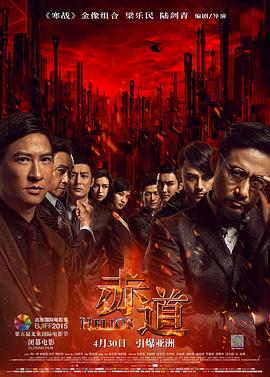
韩国秘密核武器神秘失踪,同时载着军方手提装置的飞机在中国境内坠毁。韩方接到消息,一名疑似绰号“赤道”的危险人物(张震 饰)带着助手“信差”(文咏珊 饰)将于香港实行秘密武器交易,韩国武器专家崔民号(池珍熙 饰)与特工朴宇哲(崔始源 饰)奉命前往调查。香港反恐特勤组主管李彦 明(张家辉 饰)与督察范家明(余文乐 饰)协助韩方寻找武器,而核物理教授肇志仁(张学友 饰)也受邀协助判案。武器很快被寻回,没想到竟还隐藏着潜在危机。正当香港及韩国警方决定送还武器回韩国之际,大陆安全局高管(王学圻 饰)带着助手袁小姐(冯文娟 饰)突然出现,三方陷入周旋之中,原来“赤道”另有其人,而他们一伙儿的阴谋也开始实施……
 ◎5.4▶
◎5.4▶安琪拉的灰烬
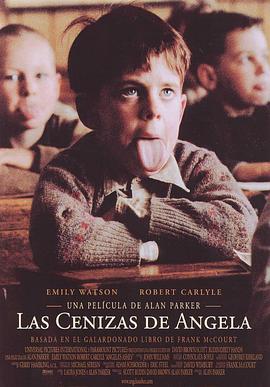
当初因为宗教问题,安吉拉(艾米丽·沃森 Emily Watson 饰)和丈夫的婚姻并没有得到亲友的赞许。如今他们已经有好几个孩子,可是在美国生活得并不如意,贫穷折磨再加上不久前的丧子之痛,这家人决定搬回家乡爱尔兰,以祈求在那里获得富裕一点的生活。 事情并没有他们想象的那样顺利,在家乡,他们仍然遭遇着亲友冷眼,开始了艰难为继的新生活。每当丈夫没有勇气干些琐碎活扛起家庭重担时,是安吉拉义无反顾的担负起一切又脏又累又卑微的活儿。命运一次次给这个坚强的母亲以打击。她的一对双胞胎孩子相继去世,丈夫到英国谋生却没能改善困窘的家境,安吉拉从不放弃地寻求救助,并教会儿子弗兰克(乔·布林Joe Breen 饰)生存的尊严,母亲的光辉在弗兰克的一生里都不会褪色。
 ◎8.8▶
◎8.8▶狗阵
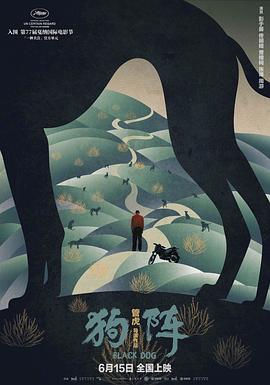
十余年前的西北小镇,刚出狱的二郎(彭于晏 饰)重归故土,面对偏见,面对防备,他不知该如何开启新生活。迫于生计加入打狗队后,二郎拯救了一只流浪黑狗,他也在和黑狗的相处中获得了再次上路的勇气。生命在暗处的绽放更凶猛有力,一人一狗在互相救赎中,拥抱着彼此的新生。
 ◎6▶
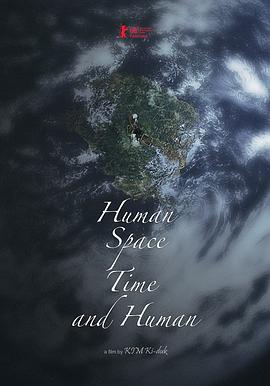
◎6▶人间,空间,时间和人
《人,空间,时间和人》讲述了一艘老军舰上不同年龄和职业的人之间发生的故事, 强奸,谋杀,兵变, 金基德没有给予片中的人物丝毫的放松时间。 电影中的所有人物既没有名字也没有背景,唯一重要的只有让人喘不过气来的“当下”。在一个戏剧性的人际关系的漩涡之中,一场关于食物和生存的斗争完全转向了荒诞。
 ◎7.1▶
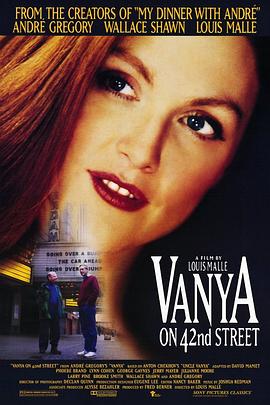
◎7.1▶万尼亚在42街口
法国大导演路易·马勒的最后遗作,采用颇为复杂的戏中戏方式来探讨人生如戏,戏如人生的微妙交错关系。片中多名演员时而是自己,时而变成戏中的角色,在真假虚实的人生互动中诠释他们之间纠缠不清的感情关系。全片的影像感较单调,但演技相当精彩,被美联社选为90年代十大最佳影片之一。
 ◎4.4▶
◎4.4▶博尔登
A mythical account of the life of Buddy Bolden, the first Cornet King of New Orleans.
 ◎7.4▶
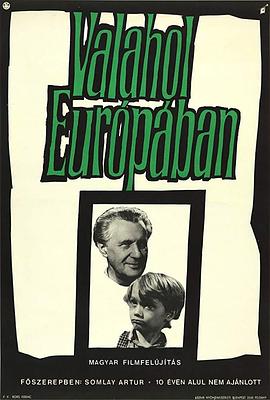
◎7.4▶欧洲的某个地方
Somewhere in the remote region, the war ends. In the midst of ruined cities and houses in the streets, in rural hamlets, everywhere where people still live, are children who have lost their homes and parents. Abandoned, hungry, and in rags, defenseless and humiliated, they wander through the world. Hunger drives them. Little streams of orphans merge into a river which rushes forward and submerges everything in its path. The children do not know any feeling; they know only the world of their enemies. They fight, steal, struggle for a mouthful of food, and violence is merely a means to get it. A gang led by Cahoun finds a refuge in an abandoned castle and encounters an old composer who has voluntarily retired into solitude from a world of hatred, treason, and crime. How can they find a common ground, how can they become mutual friends The castle becomes their hiding place but possibly it will also be their first home which they may organize and must defend. But even for this, the price will be very high. To this simple story, the journalist, writer, poet, scriptwriter, movie director, and film theoretician Béla Balázs applied many years of experience. He and the director Géza Radványi created a work which opened a new postwar chapter in Hungarian film. Surprisingly, this film has not lost any of its impact over the years, especially on a profound philosophical level. That is to say, it is not merely a movie about war; it is not important in what location and in what period of time it takes place. It is a story outside of time about the joyless fate of children who pay dearly for the cruel war games of adults. At the time it was premiered, the movie was enthusiastically received by the critics. The main roles were taken by streetwise boys of a children's group who created their roles improvisationally in close contact with a few professional actors, and in the children's acting their own fresh experience of war's turmoil appears to be reflected. At the same time, their performance fits admirably into the mosaic of a very complex movie language. Balázs's influence revealed itself, above all, in the introductory sequences an air raid on an amusement park, seen in a montage of dramatic situations evoking the last spasms of war, where, undoubtedly, we discern the influence of classical Soviet cinematography. Shooting, the boy's escape, the locomotive's wheels, the shadows of soldiers with submachine guns, the sound of a whistle—the images are linked together in abrupt sequences in which varying shots and expressive sharp sounds are emphasized. A perfectly planned screenplay avoided all elements of sentimentality, time-worn stereotypes of wronged children, romanticism and cheap simplification. The authors succeeded in bridging the perilous dramatic abyss of the metamorphosis of a children's community. Their telling of the story (the scene of pillaging, the assault on the castle, etc) independently introduced some neorealist elements which, at that time, were being propagated in Italy by De Sica, Rossellini, and other film artists. The rebukes of contemporary critics, who called attention to formalism for its own sake have been forgotten. The masterly art of cameraman Barnabás Hegyi gives vitality to the poetic images. His angle shots of the children, his composition of scenes in the castle interior, are a living document of the times, and underline the atmosphere and the characters of the protagonists. The success of the picture was also enhanced by the musical art of composer Dénes Buday who, in tense situations, inserted the theme of the Marseilaise into the movie's structure, as a motive of community unification, as an expression of friendship and the possibility of understanding. Valahol Europaban is the first significant postwar Hungarian film. It originated in a relaxed atmosphere, replete with joy and euphoria, and it includes these elements in order to demonstrate the strength of humanism, tolerance, and friendship. It represents a general condemnation of war anywhere in the world, in any form.
 ◎9.7▶
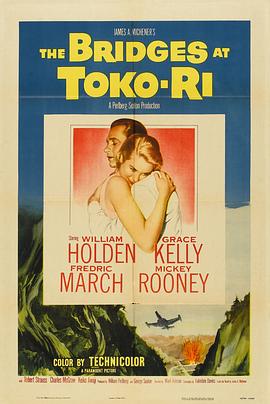
◎9.7▶独孤里桥之役
在1952年韩战正打得火热的时候。美国海军77特战队飞行员布鲁贝克(威廉·霍尔登饰),经常出生入死,执行最艰巨的任务,刚从海中救援后,又要执行炸毁独孤桥任务。在两峡谷之间,不能转身、俯冲,不知要直飞或低飞,满山遍野都是高射炮阵地,这就是独孤里桥。
 ◎6.2▶
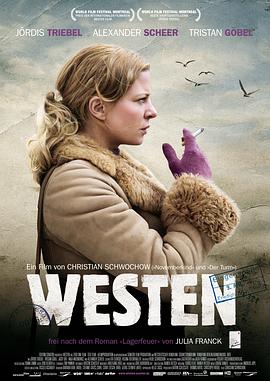
◎6.2▶西方
We are in East Berlin, 1978. It’s summer, three years after Wassilly’s death. Nelly’s boyfriend and Alexei’s father died in a car accident in Russia. Since he is dead, Nelly wants to leave too. Away from the GDR, to leave the grief and the memories behind. To get a fresh start. That should be possible in the West, or so Nelly believes.