
内容简介
改编自真人真事,以伊拉克战争为背景,讲诉海军陆战队下士梅根·利维和她的军犬瑞克斯一起拯救了多人生命的故事。在经历生死与相互救赎后,一人一犬建立深厚情感的故事。 它在真实的背景下以一种特殊的方式升华了人与狗的情感。狗不再是宠物,而是以战友身份与人相处;它们不再生活在人类的庇护下,而是反过来,用自己的身躯保护人类。 该片以“军犬”这个新奇的角度还原伊拉克战争,首次全面展现军犬在战区排爆、救人的惊心动魄的画面,真实刻画了女兵梅根·利维与军犬瑞克斯在战场上紧张、勇猛的状态。
剧集选集 共 2 集
相关推荐
 ◎8▶
◎8▶邻家女孩2007
剧情简介暂缺,敬请期待
 ◎8.1▶
◎8.1▶头痛欲裂
29岁的建筑师 Markus(马克思·雷迈特饰)具有恋童癖倾向,他尽力抑制自己隐秘的欲望。当单身母亲 Jessica 和她八岁的儿子 Arthur 搬进公寓隔壁时,让 Markus 倾心的诱惑变得越来越大——尤其是在他与新邻居结交朋友之后……
 ◎5.5▶
◎5.5▶识骨贤妻
一位妻子发现丈夫原来在前南战争中犯有反人类罪。“地下”女主角自编自导自演,用生活化视角让妻子沉浸在各种日常周旋中,负罪的幽灵慢慢才会成为这个家庭的梦魇。一场缓慢推进的灵魂焦灼。
 ◎4▶
◎4▶毕业那年
某艺术大学的美术系学生艾拉(顾莉雅 饰)已经大四,是系里不可多得的灵魂人物。在一次辩论赛中,艾拉带领着同系好友吴婷婷(叶青青 饰)、苏露露(王仲欣 饰)等一路过关斩将,重创劲敌音乐系。音乐 系的大龙(龙飞 饰)、二龙(龙泽 饰)、富二代路人丁(丁汀 饰)以及旁听生三强不 甘就这样被几个黄毛丫头给打败,几个人找到才华横溢的康林(朱文超 饰)求救..... 吴婷婷为了吸引康林的注意,相约几个好友拉上康林一同KTV。吴婷婷设计陷害康林,让康林支付高额消费款。康林中计,不得已做了酒吧歌手。艾拉找到驻唱的康林,希望能够在经济上资助康林,让康林好好的完成学业。没想到康林却毫不领情。二人发生争执......十一远游,康林艾拉离开大队伍,来到当年康林上过的渔网小学。尽管小学依旧简陋,却挡不住孩子们对知识的渴望。艾拉和康林共同为小孩子们上课,这样的经历让两人都对彼此增添好感...... 毕业了,艾拉出国去康林想上的大学,康林回到了故乡渔网小学.... 四年后,同学们再聚首。路人丁不改初衷还在追求着吴婷婷。吴婷婷在梦中顿悟要珍惜眼前人,于是决定接受路人丁。学成归来的艾拉,难以割舍当初的爱恋,决定为爱,去找寻还在沙滩上渔网小学支教的康林。康林与艾拉的爱恋,不管能否经得起岁月的打磨,他们都将难以忘记,难以忘记毕业那年那些人那些事,或甜蜜或忧伤的故事……
 ◎8.3▶
◎8.3▶狼与狮子
年轻钢琴家艾玛(莫利·库斯 饰)在祖父过世后回到祖父的小屋,意外和幼狮、小灰狼成为好朋友。想不到这件事被发现后,狮子和灰狼被送到马戏团和科学家那做研究。他们该怎么回到彼此身边?
 ◎7.3▶
◎7.3▶失路人
故事灵感为2016年轰动台台港的荃湾灰窰角街工厦水泥藏尸案 荃湾灰窰角街工厦水泥藏尸案死者是28岁男子张万里,疑因上门追债遭四名年轻人杀害,事后尸体藏在自製水泥棺内,案发于2016年4月4日,张疑到DAN6案发单位向租客追债后便告失踪,4月6日张的女友人报案寻人,警方列失踪人口处理。港岛总区失踪人口调查组根据张失踪前最后通话纪录,发现他曾与案发单位的男租客联络,按地址锁定目标,到大厦翻看监视器画面,发现张失踪当日曾与男租客及一名男子乘升降机上楼进入单位,之后便未有再出现;其后不时有其他人出入单位,更有人搬来水泥,警方尝试联络男租客无果。至4月29日,警方进入单位后,终揭发水泥藏尸案,死者亦证实是张万里。 警方追查案件后,相信其中四名涉案男女逃往台湾,他们在当地逗留一个月后,案件轰动两地,也是香港回归后,首次涉及两地执法及引渡条例的案件。四名年轻人由犯案,到恐怖埋尸,最后更逃到台湾潜藏了近半个馀月,他们一半逃亡一半旅游的心态,构成了这部犯罪电影的原型。
 ◎8▶
◎8▶流浪之月
無家可歸的女孩更紗在公園遇見孤獨的大學生文。「要來我家嗎?」一個如甘霖般的邀請將更紗從窒息的世界裡拯救。兩個月的共同生活自由快樂,世人卻以「女童誘拐事件」一言蔽之。文因誘拐罪遭拘捕,在夏天結束之際,相依相靠的日子隨即分崩離析,二人被蓋上「誘拐犯」和「受害女童」的烙印從此分道揚鑣。十五年後二人重逢,無法控制地靠近彼此,昔日事件卻如影隨形。大眾先入為主的偏見,旁人窮追不捨的關懷,捉錯用神的善意將二人推入深淵。 改編自本屋大賞得獎小說,《惡人》、《怒》得獎導演李相日最新虐心治癒之作,《燒失樂園》、《上流寄生族》、《哭聲》攝影洪坰杓首部日本作品,細膩影像撼動人心,人氣新生代女星廣瀨鈴、「日本奧斯卡」影帝松坂桃李破格出演。兩個破碎的靈魂,懷抱著難以啟齒的秘密,在驚濤駭浪中找到彼此的歸宿,不被社會理解的感情,超越愛的禁忌關係。
 ◎8.4▶
◎8.4▶不安
Whenever I see La Paura I think of it as a companion piece to Eyes Wide Shut, or maybe it is the other way around. Adultery makes both films tick but in different ways. I think Phillip French was right on the money when he pointed out a Wizard of Oz thing in Kubrick's last work. Like Dorothy, Tom and Nicole go through fantasies and nightmares and at the end Dorothy's reassuring childish motto there's no place like home is ironically updated to the adult circumstantial adage there's no sex like marital sex. Kubrick's take is intellectual, he never leaves the world of ideas to touch the ground. He taunts the audience first with an erotic movie and then with a thriller and refuses to deliver either of them. He was married to his third wife for 40 years, until he died. Rossellini was still married to Ingrid Bergman when he directed La Paura; they had been adulterous lovers and their infidelity widely criticized La Paura is a tale, a noirish one. The noir intrigue is solved and the tale has a happy ending. The city is noir; the country is tale, the territory where childhood is possible. The transition is operated in the most regular way by car, a long-held shot taken from the front of the car as it rides into the road, as if we were entering a different dimension. Irene (Bergman) starts the movie we just see a dark city landscape but her voice-over narration tells us of her angst and informs us that the story is a flashback, hers. Bergman's been cheating on her husband. At first guilt is just psychological torture but soon expands into economic blackmail and then grows into something else. From beginning to end the movie focuses on what Bergman feels, every other character is there to make her feel something. Only when the director gives away the plot before the main character can find out does he want us to feel something Bergman still can't. When she finds out, we have already experienced the warped mechanics of the situation and we may focus once again on the emotional impact it has on Bergman's Irene. In La Paura treasons are not imagined but real, nightmares are deliberate and the couple's venom suppurates in bitter ways. Needless to say, Ingrid has another of her rough rides in the movies but Rossellini doesn't dare put her away as he did in Europa 51, nor does he abandon her to the inscrutable impassivity of nature (Stromboli). His gift is less transcendent and fragile than the conclusion of Viaggio in Italia. He just gives his wife as much of a fairy tale ending as a real woman can have, a human landscape where she can finally feel at home. Back to the country, a half lit interior scene where shadows suggest the comfort of sleep. After all, it's the fairy godmother who speaks the last words in the movie.
 ◎6▶
◎6▶爸爸妈妈复婚记
出品单位 一线视界(北京)文化传媒 本片讲述了原本生活温馨和谐的一家四口却面临家庭破碎的危机,父母因误会导致离婚,年少的姐弟俩为了帮助父母复合而展开了一系列令人捧腹大笑又催人泪下的感人故事……
 ◎9.1▶
◎9.1▶灭顶之灾 上
一场罕见的飓风席卷全球,随之而来的是惊天大海啸和特大冰雹灾害:艾菲尔铁塔摇摇欲坠,埃及金字塔土崩瓦解,纽约自然博物馆被浓雾吞噬,美国白宫瞬间崩塌、死伤无数,整个地球瞬间变为人间炼狱。科学家罗斯教授组织了一支风暴敢死队,希望找出气候变化的根本原因。而此时恐怖分子的趁机偷袭,让整个局面更加混乱不堪……
 ◎9.7▶
◎9.7▶妈妈的情人们
Luisa has a habit of bringing her dates home, irritating her son, Cesar. When Cesar invites his best friend Pablo over for a sleepover, Luisa's flirtations become too much to bear, especially as Cesar has his own feelings towards Pablo.
 ◎4▶
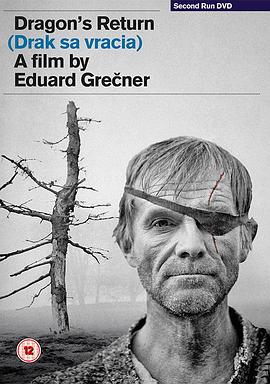
◎4▶德拉克的回归
与Stefan Uher和Elo Havatta一样,Eduard Grecner也是60年代斯洛伐克新浪潮电影的缔造者之一。他的三部影片《一周七天》(1964)《尼绒月亮》(1965)和这部《徳拉克的回归》都是斯洛伐克新浪潮电影的代表作。这部叙事方法独特带有明显意识流风格的黑白影片甚至间接影响到了后来法国导演格里耶在捷克拍摄的两部影片《说谎的人》和《Eden and After》。 A special place in the development of feature films is reserved for Eduard Grecner, the creator of just one good film, Dragon Returns (Drak sa vracia, 1967), titled after the nickname of the lead character. After his initial work with Uher, Grecner made his mark as a proponent of the so-called intellectual film, the antithesis of the sociologically, or rather, socially critical film. Grecner's great role model was Alan Resnais, a young French filmmaker who sought to introduce Slovakia to the idea of film as a labyrinth in which meanings are created not by stories, but by complex configurations of dialogue, shots, and various layers of time, thus differentiating film from both literature and theater. In Dragon Returns―the story of a solitary hero who is needed by villagers living far in the mountains, but who is rejected by them at the same time because of his detachment―Grecner brought the tradition of lyricized prose to life through a whole series of formal aesthetic techniques. Alain Robbe-Grillet immediately developed this idea in the film shot in Bratislava The Man Who Lies (Slovak Muz, ktory luze; French title L'homme qui ment; 1968), and perfected it in Eden and After (Eden a potom, 1970).