
内容简介
剧情简介暂缺,敬请期待
相关推荐
 ◎7.7▶
BOX 袴田事件 命とは
1936年,有两个男孩出生,熊本典道生在佐贺县鸟栖市出生,袴田岩生在静冈县浜名郡雄踏町。战后,典道通过了司法考试,成了静冈地方法院的审判员。而岩则辗转于职业拳坛,最终受挫无所作为,到静冈县清水市的一家味噌工厂当了工人。这两个人的人生原本不会有交集。 1966年6月30日凌晨,清水市味噌工厂的专务桥口家遭人纵火,火扑灭后,人们发现了一家四口惨遭杀害的尸体。立松警官盯上了一个嫌疑人——曾经当过拳击手的工厂员工袴田岩。这家厂里的人基本都是桥口的亲戚朋友,只有他是毫无关系从外地来的;而且遇害的专务是柔道二段,犯人必须懂一定的格斗术才能将他杀死。岩被妻子抛弃了,还背着一身债,看起来相当可以。由于现场残留的证据很少,警方的侦查陷入了僵局。岩曾经一度被逮捕,却因为证据不足而被释放。不久后,警方再度逮捕了岩,岩起初一口咬定不是自己干的,却在被拘留三天后态度一百八十度大转弯,供认了自己的罪行。 岩被起诉。负责审理此案的正是典道。在第一次公审中,岩全盘否认了自己供词。典道对警方的问讯产生了怀疑,开始调查供述词。他发现,起初岩坦白自己和桥口的妻发生过性关系,由此犯罪,后来他又供述由于自己要抚养年幼的孩子、照顾年迈的目前,为了钱才行凶。典道认为供词中的犯罪动机前后不一致,警方有逼供之嫌。他传唤立松警官等相关人员到庭,却没法找出真相,审理成了长时间的拉锯战.... 罪案发生一年后,9月13日,警方向法庭提供了新的证据——在工厂味噌翁里找到的带着血迹的衣服,衣服是岩的。岩是真凶么?还是警方捏造证据? 局势开始对岩不利。典道反对判他有罪。但他是三个审判官中唯一持此观点的人,最终岩被判有罪。而作为主任审判官,典道不得不签署岩的死刑判决书。 典道深受折磨,审理结束后,他辞职了,并持续对此案进行调查,还把调查的结果交给了辩方律师。 1980年11月19,最高法院驳回了岩的上诉,12月12日,岩被判处死刑.....
 ◎5.7▶
妈妈的神奇小子
电影根据残奥冠军苏桦伟真人真事改编。苏桦伟生来因黄疸病导致脑痉挛,无法正常站立行走。而苏妈(吴君如 饰)没有放弃,不仅帮助儿子站了起来,还发掘了他的跑步天赋,直到苏桦伟被残障田径队选中,夺得残奥会冠军并打破世界纪录,这对神奇母子的热血励志传奇开始家喻户晓。
 ◎6.7▶
支教老师
大学生杨沫和赵莎考研 名落孙山,后来得知如果到南疆支教一 年,可以保送研究生的消息后,两人毅 然报名参加支教,来到托克苏村。在托 克苏村中心小学,她们受到了当地人的 热情款待,也遭受了学生的捉弄、同行 的不满,随着矛盾展开,一切都在改变 着……
 ◎9.5▶
魂断蓝桥
第一次世界大战期间,回国度假的陆军中尉罗伊(罗伯特·泰勒)在滑铁卢桥上邂逅了舞蹈演员玛拉(费雯·丽),两人彼此倾心,爱情迅速升温。就在两人决定结婚之时,罗伊应招回营地,两人被迫分离。由于错过剧团演出,玛拉被开除,只能和好友相依为命。 不久玛拉得知罗伊阵亡的消息,几欲崩溃,备受打击。失去爱情的玛拉感到一切都失去了意义,为了生存,她和好友不得不沦为妓女。然而命运弄人,就在此时玛拉竟然再次遇到了罗伊。虽然为罗伊的生还兴奋不已,玛拉却因自己的失身陷入痛苦之中。 感到一切难以挽回的玛拉潸然离开,独自来到两人最初相遇的地点——滑铁卢桥上…
 ◎4.5▶
带小狗的女人
已近不惑之年的古罗夫在雅尔塔的黑海之滨遇上了带着叭儿狗的少妇安娜。经过一个星期的接触,古罗夫得到了安娜的感情,开始热恋。几天后,安娜接到丈夫的病讯赶回C市,古罗夫也回到莫斯科,与比他大10岁的妻子过着平淡无味的生活。古罗夫渐渐发现自己不能离开安娜,独自去C市找她,并约定每隔三个月在莫斯科的一个旅馆见面,俩人开始了一段苦涩的爱情。
 ◎4▶
你在山顶的那一边
田部井淳子以“女性专属的海外探险”为口号成立了女子攀登俱乐部,1975年作为珠穆朗玛峰日本女子登山队副队长兼攀登队长,成为世界首位成功登上世界最高峰珠穆朗玛峰的女性。本片以这位代表日本的伟大女性登山家的真实故事为基础,讲述了她从首次登上珠穆朗玛峰的女性开始,到晚年与病魔作斗争,在被宣布生命将至的同时,直到去世前仍在登山的英勇一生。
 ◎9.8▶
烛光里的微笑
故事发生在九十年代初的上海。身体羸弱的王双玲(宋晓英 饰)是潘家弄小学的教师,最近她接手一个全校有名的乱班。以路明(唐黎 饰)为首的调皮捣蛋学生搅乱了全班秩序,常常把课堂闹成一锅粥。丈夫大刘(丁嘉元 饰)非常担心双玲的身体,但双玲有决心改变班级面貌。李小朋(张宏伟 饰)出身富有,却沾上不少坏习气,后因父亲违法被判刑,双玲怕他走歧路领回自己家中暂住。周丽萍(杨津 饰)母女因遭父亲遗弃,承揽全部家务的她常因迟到遭同学嘲讽。路明的母亲(陈鸿梅 饰)因儿子的腿被校车轧断,跑到双玲家大闹。丽萍因家暴出走,双玲冒雨连夜寻找,她的无疆爱心深深感动了孩子和家长......
 ◎7.4▶
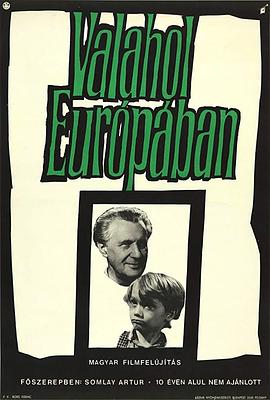
欧洲的某个地方
Somewhere in the remote region, the war ends. In the midst of ruined cities and houses in the streets, in rural hamlets, everywhere where people still live, are children who have lost their homes and parents. Abandoned, hungry, and in rags, defenseless and humiliated, they wander through the world. Hunger drives them. Little streams of orphans merge into a river which rushes forward and submerges everything in its path. The children do not know any feeling; they know only the world of their enemies. They fight, steal, struggle for a mouthful of food, and violence is merely a means to get it. A gang led by Cahoun finds a refuge in an abandoned castle and encounters an old composer who has voluntarily retired into solitude from a world of hatred, treason, and crime. How can they find a common ground, how can they become mutual friends The castle becomes their hiding place but possibly it will also be their first home which they may organize and must defend. But even for this, the price will be very high. To this simple story, the journalist, writer, poet, scriptwriter, movie director, and film theoretician Béla Balázs applied many years of experience. He and the director Géza Radványi created a work which opened a new postwar chapter in Hungarian film. Surprisingly, this film has not lost any of its impact over the years, especially on a profound philosophical level. That is to say, it is not merely a movie about war; it is not important in what location and in what period of time it takes place. It is a story outside of time about the joyless fate of children who pay dearly for the cruel war games of adults. At the time it was premiered, the movie was enthusiastically received by the critics. The main roles were taken by streetwise boys of a children's group who created their roles improvisationally in close contact with a few professional actors, and in the children's acting their own fresh experience of war's turmoil appears to be reflected. At the same time, their performance fits admirably into the mosaic of a very complex movie language. Balázs's influence revealed itself, above all, in the introductory sequences an air raid on an amusement park, seen in a montage of dramatic situations evoking the last spasms of war, where, undoubtedly, we discern the influence of classical Soviet cinematography. Shooting, the boy's escape, the locomotive's wheels, the shadows of soldiers with submachine guns, the sound of a whistle—the images are linked together in abrupt sequences in which varying shots and expressive sharp sounds are emphasized. A perfectly planned screenplay avoided all elements of sentimentality, time-worn stereotypes of wronged children, romanticism and cheap simplification. The authors succeeded in bridging the perilous dramatic abyss of the metamorphosis of a children's community. Their telling of the story (the scene of pillaging, the assault on the castle, etc) independently introduced some neorealist elements which, at that time, were being propagated in Italy by De Sica, Rossellini, and other film artists. The rebukes of contemporary critics, who called attention to formalism for its own sake have been forgotten. The masterly art of cameraman Barnabás Hegyi gives vitality to the poetic images. His angle shots of the children, his composition of scenes in the castle interior, are a living document of the times, and underline the atmosphere and the characters of the protagonists. The success of the picture was also enhanced by the musical art of composer Dénes Buday who, in tense situations, inserted the theme of the Marseilaise into the movie's structure, as a motive of community unification, as an expression of friendship and the possibility of understanding. Valahol Europaban is the first significant postwar Hungarian film. It originated in a relaxed atmosphere, replete with joy and euphoria, and it includes these elements in order to demonstrate the strength of humanism, tolerance, and friendship. It represents a general condemnation of war anywhere in the world, in any form.
 ◎6.4▶
糊涂蛋
设定在一个讨债的黑暗社会里,本土骗子Peg Dahl在经历了一些麻烦之后,发现自己债务缠身,在家乡之外拥有更光明前途的机会被浪费掉了,于是她决定自己成为一名讨债人,并与这个城市的催债王开战。
 ◎7.9▶
德累斯顿大轰炸
1945年,在二次世界大战的战火肆虐中,安娜和罗勃在德勒斯登相遇。一个是德国医院院长的掌上明珠,在家人以及未婚夫的呵护下成长,有着救助身旁所有人的一颗善良的心。另一个是英国皇家空军的轰炸机机师,在一次任务失败中坠毁德勒斯登。安娜救了他的性命,安娜善良温暖的心也打动了他。就这样慢慢地,两颗心越来越靠近… 在此时,发现了罗勃真实身分的安娜,是要选择罗勃,还是要接受未婚夫的求婚?
 ◎8.3▶
一个好人2023
刚刚订婚的艾莉森生活本应幸福美满,一场致命事故却让一切分崩离析。背负着生命之重的她将如何与原本的公公建立关系,走出阴霾?
 ◎8.4▶
辛德勒的名单
1939年,波兰在纳粹德国的统治下,党卫军对犹太人进行了隔离统治。德国商人奥斯卡·辛德勒(连姆·尼森 Liam Neeson 饰)来到德军统治下的克拉科夫,开设了一间搪瓷厂,生产军需用品。凭着出众的社交能力和大量的金钱,辛德勒和德军建立了良好的关系,他的工厂雇用犹太人工作,大发战争财。 1943年,克拉科夫的犹太人遭到了惨绝人寰的大屠杀,辛德勒目睹这一切,受到了极大的震撼,他贿赂军官,让自己的工厂成为集中营的附属劳役营,在那些疯狂屠杀的日子里,他的工厂也成为了犹太人的避难所。 1944年,德国战败前夕,屠杀犹太人的行动越发疯狂,辛德勒向德军军官开出了1200人的名单,倾家荡产买下了这些犹太人的生命。在那些暗无天日的岁月里,拯救一个人,就是拯救全世界。