
内容简介
孤独的科学怪人弗兰肯斯坦(克里斯蒂安·贝尔 饰)来到了1930年代的芝加哥,恳请顶级科学家尤弗洛尼斯博士(安妮特·贝宁 饰)为他创造一位伴侣。两人成功复活了一名被谋杀的年轻女子,“新娘”(杰西·巴克利 饰)就此诞生。然而事态发展却远超两人想象:谋杀接踵而至,占有欲疯狂滋生,新娘能否挣脱“被创造”的命运?在暗黑混沌的逃亡路上,一场女性觉醒风暴开始席卷整个世界。
相关推荐
 ◎9.8▶
◎9.8▶下载南茜
南希爱好自残,但自己的老公却无法满足自己的特殊嗜好,于是南希在网络上找到一名男子为自己提供帮助。
 ◎8▶
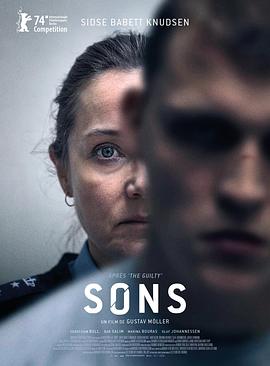
◎8▶儿子2024
一名年轻重犯被送到监狱服刑,却在女惩教员内心投下巨型情绪炸弹。素来理想主义、对监犯仁慈的她,申请调到重犯监禁区,逐步亲近她的猎物,争取他的信任,致力安排他与母亲见面。是母性大发,要拯救这头狂野之狼,抑或被勾起了掩藏多年的暗黑过去,一发不可收拾?毕竟,监狱令人疯狂,不!疯狂与监狱,都只是规训张狂的病征,真相在扭曲力量下根本毫无位置。到头来伦理悬疑、恩怨情仇,可都是存在反思的药引?在呕吐之前,等待偿还的也许太多。
 ◎9.6▶
◎9.6▶完全失控
本片由两个故事构成,而这两个故事,说的是两种变态心理。当易性癖与死尸整形化妆师的爱情失控后。 第一个故事讲述的是一个易性癖的男人装扮成女人,成功吸引了一个有老婆的男人。当那个男人的老婆知道情况后,向男人发火了。后来那个男扮女装的男人偷偷进到了那男人的家里,夫妻两回来后吓了一跳。而那个易性癖的男人此时很想知道那男人是否喜欢他,当男人当着妻子的面,对他说:“我喜欢你,但和从前不一样了。”易性癖默默走进了浴室,锁上门,很久没有出来。当警察赶到,浴室门被打开时,他已在浴室里自杀了。他为什么自杀?为何一切来得如此突然?对于一个他喜欢的男人,忽然感觉无法再拥有,他受不了,他一时无法接受这个事实,心情跌到低谷,于是完全失控,选择了死亡。后来他的妈妈说,他是一个好胜心很强的孩子,当发现他把自己装扮成女人时,她就知道,会有这么一天。 第二个故事说的是一个有点恋尸意味的女人的爱情故事。Lily的妈妈是自杀死的,她觉得妈妈的死是快乐的,是妈妈的解脱。后来,她迷恋上了死亡,并选择了一份特别的工作,做死尸化妆师。后来她恋爱了男友劝她放弃这份工作,但被她拒绝了。一日,男友跟到了她做事的地方,并且似乎发现了她的异常举动。男友突然变得心神不定。深夜,Lily来找她,在他家中,他说她有病,劝她应该去看看心理医生,可她并不认同。第二天,男友显得那样疲惫。他打电话给Lily,让Lily来他家里,说是有礼物送给她。可当她来到他家中时,却发现男友已经上吊自杀了。原来男友想要送给她的礼物,是男友自己的尸体。至于他为什么要送这么一份礼物给她,他在电话里说:“喜欢你,就送给你咯。”也许是他太爱她,他曾恳求过她嫁给他,当他知道她有这么一种嗜好后,他六神无主,他惊慌失措,他完全失控,选择了自杀,将自己一具冰冷冷的尸首,留给自己喜欢的她。故事最后,她静静地坐在沙发上点燃一根香烟,默默地抽着,泪水湿润了她的眼睛,眼泪滴落下来,也许经历过这件事后,他应该悔过了,她已经悔过了,尽管一直眷恋死亡,但当她喜欢的男人真正死去后,她是伤心的,他为她而死,只因她眷恋死亡。 两种变态,两个故事,两个悲惨的结局,让人看过之后,确实很不是滋味。电影通过两种不同寻常的人的故事,向观众展开了两段鲜为人知的故事。在现实生活中,这类特殊的人群是否能够得到人们的尊重,得到幸福?
 ◎7.5▶
◎7.5▶虚线的恶意
首都电视台新闻剪接师远藤瑶子剪辑的新闻检证单元,常大胆暗示热门疑案的凶嫌成为收视率最高的新闻节目,也引来台内主管的嫉妒和舆论的批评。一日,某邮政官员将一卷暗示凶手的录影带交到瑶子手上,她立刻以独特的观点剪辑出引人的报道,结果引起轩然大波。接二连三的蓄意骚扰,陆续接获的偷拍录影带心理攻防,面对这些后果,瑶子该如何应付,如何脱身?
 ◎4.8▶
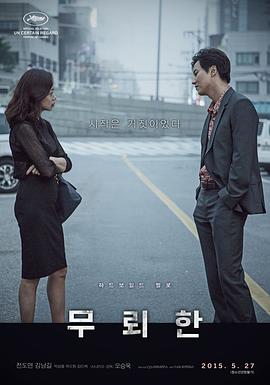
◎4.8▶无赖汉
影片讲述了重案组刑警和黑道女人之间的故事,影片由拍摄《新世界》的制片公司兄弟影业打造,邀请《8月的圣诞节》的编剧吴升旭执导。
 ◎3.2▶
◎3.2▶边境杀手
在美国与墨西哥的边界有一块灰色地带,那里是毒贩和杀手们的天堂,他们在此交易火并,完全视法律为无物。凯特(艾米莉·布朗特 Emily Blunt 饰)是联邦调查局的探员,心里怀揣着惩奸除恶的正义理想,她来到此地,加入了联邦政府特种部队,成为了马特(乔什·布洛林 Josh Brolin 饰)的部下。 亚历桑德罗(本尼西奥·德尔·托罗 Benicio Del Toro 饰)是曾经卧底在毒枭身边的前任特工,马特找到了他,希望经验丰富的他能够成为行动小组的战略顾问,然而亲历过地狱的亚历桑德罗完全不按常理出牌,他的所作所为时常刺激着凯特脆弱而又敏感的神经。随着调查的深入,死亡的气息笼罩着行动组内的每一个人,一次又一次与死神擦肩而过,凯特的三观开始发生动摇。
 ◎6.2▶
◎6.2▶中国好声音之为你转身
拥有音乐才华、天赋异禀的吴沛珊(吴莫愁 饰)在哥哥(华少 饰)的极力反对下不得不怀着遗憾报考了工商管理。即将开始的音乐节,是吴沛珊实现音乐梦想、让哥哥重新认识自己的最好舞台…… 同为热爱音乐的李子扬(李代沫 饰)是一位在酒吧工作的“草根”乐者。吴沛珊阴差阳错地与李子扬结识,并无意中发现了隐藏在李子扬心中不为人知的声乐才华。吴沛珊希望能帮助李子扬展现自己的才华,但李子扬非但不接受吴沛珊的帮助,反而与之渐行渐远,扑朔迷离的缘由让生性开朗的吴沛珊更为好奇,欲一探究竟…… 音乐节开赛在即,李子扬的心结在吴沛珊,丁飘飘(丁丁 饰),张乐(张玮 饰)、刘一宸(大山 饰)、王葳(王克 饰)、赵安娜(赵露 饰)等人的帮助下慢慢地云开雾散。正当吴沛珊,李子扬等人秣马厉兵、准备在音乐节一展身手时,哥哥的出现让吴沛珊的努力瞬间回到了冰点…… 音乐学院院长(汪峰 饰)对吴沛珊,这位来自工商管理专业的女孩关注有加,看着吴沛珊让他想到自己曾经热爱音乐的青春往事……
 ◎6.4▶
◎6.4▶试吃者
From the novel At the Wolf's Table by Rosella Postorino Germany, 1943 Twenty-six-year-old Rosa Sauer’s parents are gone, and her husband Gregor is far away, fighting on the front lines of World War II. Impoverished and alone, she makes the fateful decision to leave war-torn Berlin to live with her in-laws in the countryside, thinking she’ll find refuge there. But one morning...
 ◎5.8▶
◎5.8▶黑洞来的那一夜
剧情简介暂缺,敬请期待
 ◎3.4▶
◎3.4▶你追我赶
《你追我赶》是一部围绕一对民工讨债过程中的种种遭遇而展开的爆笑故事片。
 ◎10▶
◎10▶鸢之恋
石黑杏子(山口百惠 饰)正在前往三藩市的旅行之中,途中,她邂逅了名为田丸哲夫(三浦友和 饰)的男子,陌生的城市和动荡的旅途让两颗心迅速的靠近,两人之间碰撞出的激情的火花。虽然哲夫也爱上了温柔美丽的杏子,但向来过惯了自由自在生活的他却从来没有想过要和杏子结婚。虽然杏子和哲夫约定自己先回东京等他,但哲夫却并没有勇气赴约。 终于,杏子识破了哲夫满口的谎言,知道自己一直都在被他玩弄着感情,悲伤和痛苦之中,她选择和一名公司总裁结婚了。蜜月时,这一对新婚夫妇再度来到了三藩市,在那里,他们和哲夫重逢了。
 ◎9.3▶
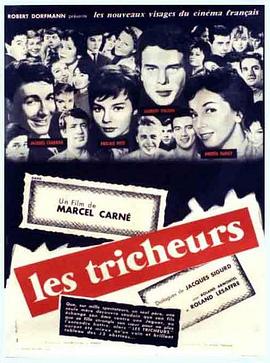
◎9.3▶不安分的年轻人们
Middle class student Bob Letellier enters a new world when he meets Alain, a free-thinking rebel who, along with his group of young Parisians, has opted for a life of instant gratification instead of work and commitment. At a party, Bob meets a young woman, Mic, who appears to be just as carefree and cynical as Alain. Mic's only dream is to own a luxury car, and with Bob's help, she manages to find the money to but it. Mic's friend Clo discovers she is pregnant and, not knowing who the father is, she asks Bob to marry her. When they next meet at a party, Bob and Mic deny that they have any feelings for one another - a declaration that soon leads to tragedy... Marcel Carné is widely regarded as one of the standard bearers of French quality cinema of the 1930s and 1940s, responsible for such masterpieces as Quai des brumes (1938) and Les Enfants du Paradis (1945). How ironic then that, in 1958, towards the end of his film-making career, he should make a film which dared to portray the attitudes and behaviour of the 1950s youth, in a way that effectively captures the mood and sentiment of the time. Les Tricheurs was a hugely controversial film, not least because of its blatant depiction of adolescent free-love, and was even banned in some regions of France. It also received some intensely unfavourable reviews, most notably from the young hotheads on the Cahiers du cinéma such as François Truffaut who cited this film as a prime example of the decline of French cinema into mediocrity. In spite of all this negative press, the film proved to be an astonishing commercial success, attracting five million cinema-goers, and was awarded the Grand Prix du Cinéma français in 1958. Whilst Les Tricheurs is not as flawless as Carné's earlier masterpieces, it is nonetheless a significant work, having the power to both shock and move its audience, whilst having great entertainment value. It evokes the mood of its time in a way that few French films of this period did, depicting young people as pleasure-seeking rebels, rejecting the austerity and discipline of the previous generation whilst pursuing a life without cares, responsibilities or love. Similarities with James Dean's films of the 1950s (most notably Rebel without a Cause) are apparent, although Carné's treatment of young people is far more abstract - in his film they merely symbolise a world that has lost its way, more or less victims of post-war prosperity. Although the young people in Les Tricheurs lack the authenticity to be totally credible, the film does make an important, and indeed quite disturbing point, about where the permissive society may be heading. Much of the pleasure of the film is in the performances from its four lead actors, Jacques Charrier, Pascale Petit, Laurent Terzieff and Andréa Parisy, although only Terzieff is really convincing in his role. Marcel Carné originally considered Alain Delon and Jean-Paul Belmondo for the parts of Bob and Alain respectively, before opting for Charrier and Terzieff. As a consolation, Carné offered Belmondo a smaller part in the film - alas too small for the actor to be noticed by the public. Belmondo's breakthrough had to wait until the following year when he starred in Jean-Luc Godard's revolutionary A bout de souffle, a film which offers a very different perspective of the youth generation.