
内容简介
A sailing holiday spirals out of control when a teenage daughter uncovers the dark past of her mother's new boyfriend.
相关推荐
 ◎3.1▶
◎3.1▶仲夏幻想曲
韓籍導演到訪古都奈良的五條市,寫成旅行日記般的二段式電影。「初戀‧與志子」描寫一韓籍導演到訪古都奈良勘景,漫遊穿梭於古城巷間、茶屋等地。「櫻之井」敘述一韓籍女演員到奈良一遊並邂逅當地青年農民的故事。 質樸溫和的小鎮景色、異地情緣;喝了一半的酒,没說完的話,没能再見的人;兩段故事以不同的人物、景色交織幻化成一段美麗記憶;本片宛如奈良版《愛在黎明破曉時》。
 ◎9▶
◎9▶泰勒·汤姆林森:瞧你内样
泰勒·汤姆林森重返 Netflix,推出了自己的第二部原创喜剧特辑《泰勒·汤姆林森:瞧你内样》。泰勒以幽默的方式分享了她如何应对心理健康问题、悲伤和约会。《泰勒·汤姆林森:瞧你内样》拍摄于波士顿历史悠久的威尔伯剧院,将于 2022 年 3 月 8 日在 Netflix 面向全球首映。
 ◎7.4▶
◎7.4▶堡垒坚石
本片根据波兰著名同名小说改编,讲述了二战期间,华沙被纳粹德国军队占领,波兰童子军的年轻人们与德国占领者进行英勇斗争的故事。 Based on a well-known Polish novel with the same title the movie re-tells a true life story of a group of scouts called ''Szare Szeregi'' (Gray Ranks) during the Nazi occupation of Warsaw and the liberation of one of its members (imprisoned and tortured by the Germans) through a maverick military action in board daylight right under the enemy's nose known ''Action at the Arsenal'' which was the biggest single feat of the sort undertaken by a youth resistance organisation in all of occupied Europe during WWII.
 ◎5.5▶
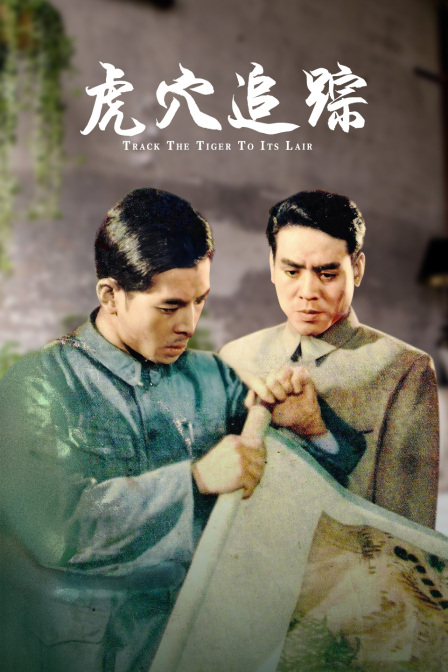
◎5.5▶虎穴追踪
1950年代初,北方某城市,刚解放不久的城市百废待兴。国际上敌对势力和国内隐藏着的特务不甘心自己的失败,时刻准备搞破坏活动。侦察员李永和(赵联 饰)侦察回来,侦察处长陈惠远(印质明 饰)又给他布置了新的任务。李永和冒雪跟踪一名骑驴的嫌疑妇女,却不料被一伙突然出现的匪徒捆绑,他手中的假特务证件救了自己。特务黄云梦(李颉 饰)落网后供出:潜伏名单交给了伪装成货栈经理的特务崔希正(李景波 饰)。李永和以特务身份打入货栈,从学徒那里得知特务名单可能藏在古画轴里,谁知狡猾的崔希正己将名单转移,经过一番智斗,终于找到了名单。
 ◎8.3▶
◎8.3▶情如物证
马丁一出生就是个盲人,为了证实别人告诉自己的话是否都是事实,他从10岁起便开始坚持不懈地用手中的照相机拍照。为了证明自己未被欺骗,也为了证明自己的存在。在一次邂逅之后,平凡的厨师安迪成了他最信赖的人,尽管他们的友情也经历了种种考验。
 ◎9.7▶
◎9.7▶柳如是
才女柳如是与文人钱谦益的爱情传奇流传了几百年。 柳如是(万茜 饰)是青楼的头牌,琴棋书画样样精通,她主张男女平等,关心家国大事。而在政治风波中历尽尔虞我诈的钱谦益(秦汉 饰),身心疲惫,纵情诗酒却又心怀社稷。机缘凑巧,他们以诗为媒,惺惺相惜,因为互相欣赏走到了 一起。然 而,山雨欲来风满楼,巨大的变故随之而来,一个朝代眼看就要沦亡。面临改朝换代,因观察历史的角度不同,钱、柳两人对时局的看法发生分歧,两人的感情出现裂痕:一个远去北上做了清廷的官员,一个南下去追寻抗清的南明军队。繁华过尽,他们又破镜重圆,在红豆山庄过着普通平淡的田园生活。
 ◎7.7▶
◎7.7▶蒂凡尼的早餐
清晨的纽约街头,相貌清丽的女子霍莉(奥黛丽·赫本 Audrey Hepburn饰)在橱窗前徜徉,她就是纽约上流社会的交际花。对金钱和物质的崇拜,同时却不失天真善良的霍莉,就像是纽约的“茶花女”,靠着每小时五十、一百的费用来获得交际收入。在她心里,还有一个重要的目标,那就是嫁得金龟婿。 霍莉的新邻居是一个作家保罗(乔治·佩帕德 George Peppard饰),梦想着成名,却也是依靠富太太的供给度日。遇见霍莉的保罗堕入情网,千方百计让霍莉过回正常生活,并向她求婚。然而,霍莉似乎并不愿意,在她心中,嫁给这么一个人,放弃她之前的努力,未免太不值。然而,霍莉在寻找幸福路上跌跌撞撞,直到有一天才突然明白了幸福的含义。
 ◎6.3▶
◎6.3▶马路天使
安吉拉(珍妮·盖诺 Janet Gaynor 饰)的母亲身患重病,急需药物进行治疗。生活在穷困潦倒之中的安吉拉无奈之下只能行窃救命,她的举动自然遭到了警方的通缉和追捕,安吉拉就此踏上了逃亡的旅途。 途中,安吉拉来到了一个马戏团之中,隐姓埋名成为了其中的一名演员,这正好帮助她拜托了警方的纠缠。在马戏团中,安吉拉邂逅了名为基诺(查尔斯·法莱尔 Charles Farrell 饰)的年轻画家。基诺虽然有着一身的才华却依旧只是一个名不见经传的无名画家,安吉拉的出现激发了他的灵感,帮助他取得了事业上的成就,坠入爱河的两人决定结婚,但在婚礼举行之际,警方还是发现了安吉拉的踪迹。
 ◎6.7▶
◎6.7▶不要忘记我爱你
2022年情人节,用一部电影告白——不要忘记我爱你。 星玥(娜扎 饰)爱上了一个特别的人,她的男友陆尧(刘以豪 饰)每天醒来都会忘记昨天发生的一切。昨日的亲密爱人转眼变成陌生人,一次次的重来,是不堪承受的伤痛煎熬,还是人生只如初见的幸运?爱的直觉,是否真的无法隐藏、不会忘记?
 ◎8.1▶
◎8.1▶狩猎迷魂记
Nina, a young and headstrong exotic dancer, finds herself stranded in the far North. She convinces her recent customers, five men on a bachelor hunting trip, to put her up for a few days. In this masculine microsociety, by turns hilarious and philosophical, Cynthia starts to feel a sense of belonging she never has before. But a mysterious stranger’s arrival changes the course o...
 ◎7.4▶
◎7.4▶少男少女
2021金马创投会议入选电影企划之一,以青少年犯罪为题。
 ◎8.9▶
◎8.9▶见习警员白忆男之初来乍到
白忆男是刚从警校毕业的见习警员,怀揣着对警察事业的无限憧憬来到市公安局实习,初来乍到的她不料却在新搭档陆军那碰了壁。陆军对和这个菜鸟见习生搭档很是不满,两人的矛盾就此展开...他们接手的第一起案件就是一桩经济诈骗案,报案人周云鹏声称有人蓄意诈骗从自己的公司挪走了一笔资金。得知案情的两人赶赴事发地对案件展开了侦查,几经调查走访后才了解到嫌疑人犯案的真正原因,整个案件的真相浮出水面,嫌疑人与父亲联合诈骗自己丈夫的真正动机就是——孩子。嫌疑人李梅瞒着丈夫通过试管婴儿成功受孕,但是丈夫得知后认为她“背叛”了自己,坚持要与李梅离婚。李梅为了能够给自己得来不易的孩子保住一份日后的财产,不得已才与父亲商定出此下策。他们并不知道自己的行为已经构成了犯罪。试管婴儿必须是在夫妻双方一致认同、签字同意的前提下,方可进行。这个意外的小生命却成了两个家庭悲剧的开始,他们之间的矛盾也是愈演愈烈,周云鹏由于突发心脏病抢救无效不治身亡,这场家庭悲剧也就此结束。李梅父女俩也为自己的无知举动付出了沉痛的代价。在这个看似简单的案件背后体现了“信任”的重要。如果夫妻之间多些理解与信任,就不会发生这样的悲剧。这起案件给白忆男这个家境优越的85后好好的上了一课。 紧接着一年一度的技能考核即将开始,在大家准备考核科目时接到了一起盗窃案,某企业用于生产的重要原材料“金丝”一再失窃,起初以为是加工过程中的正常损耗,直到仓库盘点时才发现失窃数量巨大。二人通过了解案情把嫌疑目标锁定在了车间主任与仓管张师傅的身上,但苦于没有直接证据证明嫌疑人有作案动机,案件陷入了僵局。直到白忆男的一个意外之举才打破迷局,一名可疑的女人才走进了他们的视野,几经调看监控录像最后把目标锁定在了组装车间操作女工万红玲身上。大家断定此时嫌疑人一定急切想出手这烫手山芋“金丝”进行销赃。陆军、白忆男等人进行排查后最终找到了嫌疑人进行销赃的地点。部署好抓捕行动后将嫌疑人万红玲成功抓捕,却发现赃物“金丝”的数量不对,原来幕后的真正主谋吴明远并未露面,眼看结案时间即将逼近,万红玲却为保护丈夫吴明远拒不交代其藏匿地点,陆军等人急得像热锅上得蚂蚁,这时白忆男提出要独审万红玲,在审讯过程中白忆男抓住了万红玲的弱点冲破了其情感防线,最后她承认了一切罪行并交待了吴明远的藏匿地点。陆军等人迅速对吴明远实施抓捕,并追回了剩余金丝替企业挽回了损失。 白忆男在审讯时的机智另大家很是钦佩,也让陆军对她刮目想看。在与警队同仁的学习接触中白忆男认识到了自己的不足,也更加激发了她的斗志,她要让陆军和大家看到她的蜕变与成长。