
内容简介
当一位老友遭到谋杀,只留下一条神秘讯息:“找到那个会计师”,克里斯蒂安·沃尔夫(本·阿弗莱克饰)不得已开始追查此案,并招来了战力惊人的弟弟布莱斯顿(乔恩·伯恩瑟尔饰)助阵。他们与金融犯罪执法局副局长玛莉贝丝·麦迪娜(辛西娅·阿戴-罗宾逊饰)联手,揭露了一场致命阴谋,却也因此成为杀手集团的目标,对方誓要不惜一切代价保守阴谋的秘密。
相关推荐
 ◎6.3▶
当然是选择原谅她
影片以“原谅”为题,以充满温情和朴素细腻的手法通过描写女演员初夏应对游戏男友,古超与出轨女,大明星和小鲜肉几对年轻人跌宕起伏的爱恨纠葛,引发对爱情观事业观的思考,表达了真正的爱情是相知是原谅,年轻人要坚持自己的理想梦想,遇到问题不应该逃避放弃,而是勇敢地面对,表达了对美好感情的憧ccc。故事将爱情友情相互穿插点缀,将其完美揉捏在一起,塑造几位主人公各异的人物性格。
 ◎4.9▶
拯救爱情
宇宙中T星球上,一长者正在教诲一位年轻的姑娘,说她已染上了一种叫“爱情”的病毒,必须到地球上去体验人类的爱情,明白了它的虚幻,心灵才能恢复平静。并说她在地球上的名字叫冰儿,她见到的第一个男人就是她的爱人。 地球上,剧场里正在举行著名红歌星艾咪的独唱音乐会,她的崇拜者秦亮正等在门外渴望见上她一面。一道光柱射在艾咪的海报上,艾咪走下来,原来是T星球上的冰儿来到了地球。 冰儿随秦亮到家,告诉他自己的由来,并说爱他,希望与他做夫妻。秦亮把她的话当作疯话,可冰儿坚决不离开他,帮助他整理房间,并上街卖花挣钱资助他写歌,甚至听不进长者的警告,将关系自己生命的魔戒戴在秦亮手上……
 ◎6.9▶
执手当年
大委与靓丽的医院护士、酷爱唱歌的丁雯处于似明似暗的恋爱中。为了实现丁雯当歌手的梦想,大委和他的一帮朋友倾情相助,一起组建了乐队。过程中他们历经重重坎坷,却怀揣梦想不愿放弃,可这时丁雯却要出国深造学习……他们最终能否走到一起呢?
 ◎8.6▶
东云色的周末
电影讲述3名女性故地重游回到即将解体的母校,回忆青春岁月的故事。影片聚焦职业女性的现实,讨论她们的现实生活与“理想女性生活”的距离。
 ◎7.1▶
黑色少年
电影《黑色少年》是KAFA(韩国电影学院)2024年第一部新作,讲述的是在学校、家里任何地方都没有依靠的高中生勋经历充满不安和混乱的成长痛,寻找属于自己的答案的故事。由新人导演徐正元负责编剧和执导。
 ◎5.8▶
盗马贼
1923年,藏民罗尔布(才项增仁 饰)游弋在高原上,以盗马维生。为了自己的孩子扎西,罗尔布放神羊为其祈福。头人的父亲死去,老阿妈对头人一家的善良感佩,同时又担心罗尔布因盗窃不能魂归于天。罗尔布与同伙抢劫了政府送给寺院的礼物,并打算用赃物为扎西向寺院还愿。抢劫事发,愤怒的头人将罗尔布一家驱逐,从此,罗尔布和妻子卓玛(旦枝姬 饰)、扎西只得在草原上流浪。扎西的病情不见好转并逐渐恶化,罗尔布用圣水为扎西沐浴、虔诚的求佛爷保佑却终于不能挽留自己的孩子。不久卓玛再次怀孕了,罗尔布和卓玛磕头为扎西还愿,但苦难并没有离他们而去……
 ◎3.9▶
平妖传之使命召唤
剧情简介暂缺,敬请期待
 ◎5.7▶
你行!你上!
这是一对父子的传奇历险,也是两个野心家的一拍即合。从沈阳到美国,从3岁到17岁,弹琴胜似取经,八十八键多过八十一难,父子心无杂念,只管埋头向前,两人赤手空拳让美国殿堂艺术精英们刮目相看。
 ◎8.9▶
永生羊
《永生羊》主要以一位90岁高龄的哈萨克族老人哈力为视角,讲述了一个关于他少年成长的故事。少年时,他跟着奶奶、叔叔带着没了妈妈的羔羊萨尔巴斯,四季游牧转场。叔叔凯斯泰尔偷偷爱上了大户人家苏丹的女儿乌库芭拉。苏丹准备把乌库芭拉嫁给一户有钱人家,但是,乌库芭拉却在自己的婚礼上,与花骑阿赫泰一见钟情并私奔。五年后,乌库芭拉守了寡,凯斯泰尔如愿与其结婚。婚后,莎拉奶奶和凯斯泰尔叔叔,还有哈力精心照顾乌库芭拉,但是,她总也忘不了自己的两个孩子……哈力从奶奶莎拉和乌库巴拉的经历中,懂得了牧人们的爱。这种爱,就像留在岩石上的岩画一样,永远铭刻着生命传承的意义.......
 ◎8.9▶
罗布泊之九龙天棺
影片讲述了以卓然为首的探险小队为查清父亲的离奇死因,踏上了寻找传说船棺之路,却意外唤醒嗜血飞蝗,开启一场生死与人性的较量,真相也逐渐浮出水面......
 ◎5.8▶
零落
原版以作为漫画家残酷的业为主题,描绘在经历压倒性的空虚感这一极限状态后才出现的人气漫画家的真实姿态。
 ◎8.6▶
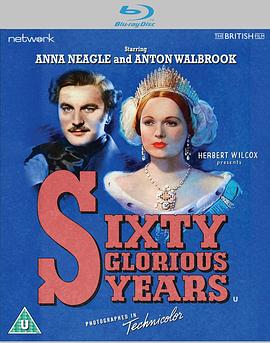
荣耀六十年
Sixty Glorious Years is an exercise in the creation of iconography, both for Victoria and its star, Anna Neagle (who subsequently became known as 'Regal Neagle'). Just as Elizabeth I commissioned artists to create flattering iconic images for public consumption, so this film performs a similar function, for Neagle is more beautiful than the real life Victoria. Controversial events (such as the 'Irish problem') are omitted and unpleasant aspects of Victoria's character (her petulance, arrogance, favouritism and 'right to privilege') are glossed over as endearing little 'whims'. Albert acts as a moderating influence when she goes too far. The film followed a year after the highly successful Victoria the Great (d. Herbert Wilcox, 1937). Again the screenplay is by Miles Malleson and Robert Vansittart, and many of the supporting cast (the cream of acting talent of period) repeat their roles, this time for the colour cameras. This was the first full length Technicolor film of cinematographer Freddie Young, who captures the spectacle of royal weddings, grand balls and opulent interiors, with scenes actually filmed at royal palaces. Vivid battle scenes, set in Alexander Korda's empire territory (Sevastopol and the Sudan), rival those in The Four Feathers (d. Zoltan Korda 1939). The title music sets the tone a regal choir sings over a shot of the crown. Elgar's 1901 'Pomp and Circumstance' march is heard during the diamond jubilee celebrations and, as Victoria's coffin lies in state, the film concludes with Anthony Collins' stately music accompanied by the text of Rudyard Kipling's 'Lest we forget'. Combined with the emotional appeal of scenes of Victoria connecting with her 'ordinary folk', this is stirring stuff. The film connects with contemporary events of 1938. The release of two celebratory royal films was intended to boost public affection for the monarchy in the wake of Edward VIII's abdication. Anglo-German relations were another touchy subject. With another war on the horizon, influential voices wanted appeasement, and the film could be seen to fit that agenda. Victoria herself was of mainly German descent, nicknamed 'the grandmother of Europe', while Albert is a 'good German', charmingly played by Anton Walbrook as a cultured, decent man. Sixty Glorious Years now seems unduly formal and reverential. Had movies existed during Victoria's reign (they only emerged at the end) this might have been the kind of film produced. Unlike Mrs Brown (d. John Madden, 1997), it is all so very 'Victorian'. Roger Philip Mellor