
内容简介
天后武则天寿宴之际,突然传出“赤目怪物”作乱迷案,武则天命令狄仁杰督办此案。狄仁杰与徒弟陈江桥来到房州调查案件,偶遇同来调查该案的不良人沈青青。三人通过对案件的调查,逐渐靠近“赤目怪物”背后的真相,并由此引发一系列连环事件。在处理这一系列事件的过程中,狄仁杰刚正不阿,将黎民苍生置于首位,表达了一种“天下兴亡匹夫有责”的责任感与使命感,最终成功破获迷案。
相关推荐
 ◎8▶
我们一直住在城堡里
塞巴斯蒂安·斯坦加盟独立制作惊悚片《古堡惊魂》(We Have Always Lived in the Castle,暂译),卡司包括威廉·达福、泰莎·法米加、亚历珊德拉·达达里奥等。影片由斯黛茜·帕森自编自导,故事改编自雪莉·杰克逊同名恐怖小说,围绕一户神秘家庭中发生的离奇死亡事件展开。影片将在都柏林拍摄。
 ◎7.4▶
盲人电影院
电影《盲人电影院》讲述的是无业青年陈语在贩卖盗版碟时被城管追赶,情急之下误入一家只为盲人放映电影的“电影院”,与电影院的创办者老高结下不解之缘的故事。影片根据真实事件改编,以细腻生动的镜头语言刻画了一个感人肺腑的故事。这部影片是导演田壮壮的关门弟子路阳的处女作,因此也倾注了他的大量心血,他希望这部影片能带给观众当今电影市场少有的清新之风。
 ◎8.8▶
911事件簿
2001年9月11日,震惊世界且影响深远的“9·11事件”爆发。双子塔岿然垮塌,似乎预示着一个黑暗时代的到来。在此之后,法国Studio Canal电影公司迅速做出反应,邀请了11名享誉海内外的导演和演员分别执导了每部时长为11分钟09秒01帧的短片,最终汇集成这部思想独特、尖锐深刻的短片集。在他们的镜头中,有的饱受战争、饥馑、灾害的人们感同身受发起了悼念;有的则或戏谑或愤怒或尖锐批判着美国的霸权主义;有的以寓言的形式解析着“圣战”的含义;有的则俯身聚焦小人物的生活琐事与喜怒哀乐。那改变世界的瞬间,震撼着每一个人的心…… 本片荣获2002年威尼斯电影节国际影评人费比西奖最佳短片奖(Ken Loach导演部分)以及联合国教科文组织大奖。
 ◎4.2▶
凤梧洞战斗
电影背景以1920年在中国吉林省凤梧洞联合独立军摧毁日军第19师团,取得巨大胜利的凤梧洞战斗,与青山里战争一同被誉为独立运动史为原型的故事。
 ◎9.4▶
嚎叫2020
A gritty and tender coming of age story about a young woman in Southern Ohio who joins a scrap metal crew to earn money for college, but soon finds herself torn between a promising future and the family she would leave behind.
 ◎8.8▶
柳浪闻莺
影片改编自茅盾文学奖得主王旭烽系列小说《爱情西湖》,故事以西湖十景之一的“柳浪闻莺”为背景,主要讲述了上世纪90年代江南越剧团两个姑娘与一个画家间的情感纠葛。极具天赋的女小生垂髫(汪飏 饰),与花旦银心(阚昕 饰)自幼相识,一起在戏班子长大,两人性格迥然不同,但情同姐妹。垂髫至情至性,为舞台而活;银心看似单纯天真,实则是个知进退、会钻营的女孩。她俩本是彼此眼中最重要的那个人,可世事无常、种种分歧纷沓而至,特别是杭州画家工欲善(郑云龙 饰)的出现,让相依为命的两个女孩变得相爱相杀。时代变迁,越剧由盛转衰,垂髫与银心的命运与越剧一同沉浮。曲终人散之时,放眼世间,她最放不下的那个人,还是她。
 ◎9.2▶
夜孔雀
法国女留学生埃尔莎(刘亦菲 饰)在成都爱上了丝绸研究员、尺八高手马荣(黎明 饰),后又在巴黎与马荣的兄弟、纹身师建民(刘烨 饰)之间产生情感。前者找到了一种符合他理想的蚕——夜孔雀,后者把蝶化的夜孔雀永远铭刻在艾尔莎的肌肤上。
 ◎3.2▶
江原道之力
智淑和两位好友相约前往江原道的雪原山游玩,她们在山上结识了当地的警察,警察带着三个女孩游览,晚上四人坐在一起吃饭。但和谐的气氛很快被打破,智淑和两个朋友争吵起来,晚宴不欢而散。次日,三个女孩和好如初,一同返回汉城,而智淑始终和警察保持联系,更只身前往与他相会;拥有美满家庭的盛元正为自己的职称问题四处奔忙。适逢暑假,好友在完约他一同前往雪原山散心。他们漫无目的游荡,讨论当下的生活。回到汉城后,盛元的教授评定有了着落,他开始想起疏忽许久的情人…… 本片荣获1998年釜山国际电影节促进联盟奖、1999年新加坡国际电影节评委会特别奖。
 ◎9.9▶
缉枪
一次普通的车辆剐蹭事故里,俞苗老公刘明义拿枪打死了徐天的女朋友,被警察当场击毙。徐天找俞苗赔钱,二人去找卖枪给刘明义的枪贩子马三叹,却遇上了马三叹被警察连广阔抄了老窝。马三叹跳桥重伤,俞苗和徐天被马三叹的弟弟小马绑架,小马用徐天的生命要挟俞苗,要她去医院杀马三叹灭口。俞苗到医院,在连广阔的帮助下蒙混过关,警方根据俞苗的线索追查小马下落,警方设卡在山路围捕抢匪,双方展开了最后的较量。
 ◎4.7▶
路考
表现对青年汽车司机的教育 培养的故事。
 ◎7.5▶
盲目的丈夫们
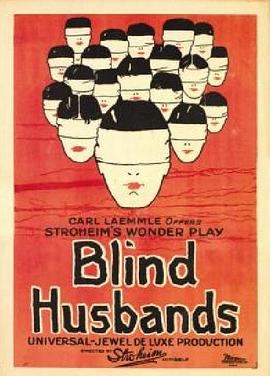
Two differences between this Austrian version and the generally available American version are immediately obvious they differ both in their length and in the language of the intertitles. The American version is only 1,883 metres long - at 18 frames per second a difference of some 7 minutes to the Austrian version with 2,045 metres. Whereas we originally presumed only a negligible difference, resulting from the varying length of the intertitles, a direct comparison has nevertheless shown that the Austrian version differs from the American version both in the montage and in the duration of individual scenes. Yet how could it happen that the later regional distribution of a canonical US silent film was longer than the original version The prevalent American version of Blind Husbands does not correspond to the version shown at the premiere of 1919. This little-known fact was already published by Richard Koszarski in 1983. The film was re-released by Universal Pictures in 1924, in a version that was 1,365 feet (416 metres) shorter. At 18 frames per second, this amounts to a time difference of 20 minutes! Titles were altered, snippets of action removed and at least one major scene taken out entirely, where von Steuben and Margaret visit a small local chapel. (Koszarski) From the present state of research we can assume that all the known American copies of the film derive from this shortened re-release version, a copy of which Universal donated to the Museum of Modern Art in 1941. According to Koszarski the original negative of the film was destroyed sometime between 1956 and 1961 and has therefore been irretrievably lost. This information casts an interesting light on the Austrian version, which can be dated to the period between the summer of 1921 and the winter of 1922. Furthermore, the copy is some 200 metres longer than the US version of 1924. If one follows the details given by Richard Koszarski and Arthur Lennig, this means that, as far as both its date and its length are concerned, the Austrian version lies almost exactly in the middle between the (lost) version shown at the premiere and the re-released one.A large part of the additional length of the film can be traced to cuts that were made to the 1924 version in almost every shot. Koszarski describes how the beginning and the end of scenes were trimmed, in order to speed up the film. However, more exciting was the discovery that the Austrian version contains shots that are missing in the American one - shotscountershots, intertitles - and furthermore shows differences in its montage (i.e. the placing of the individual shots within a sequence). All this indicates that Die Rache der Berge constitutes the oldest and most completely preserved material of the film.
 ◎4.9▶
禹城人的故事
四个不同行业的年轻人在禹城这个富饶美丽的大城市为了各自的事业努力奋斗,坚持不懈,最后终于成就各自事业的励志故事。只身来到禹城做植益酸奶厂的送货司机,认识了送餐员赵大春和在烧烤店的庄帅,几个人在拼闯事业的道路上磕磕碰碰,历经磨难。一次旅游观光,王禹邂逅了漂亮聪慧,在商务宾馆老板帮助下组建旅游团赚取学费的大学生刘丹丹,因为她很少回家照顾身体羸弱的母亲,心脏病突发被王禹无意中救助,从此他经常帮助老人而受到老人的喜欢,在四个年轻人为了爱情,为了事业饱受磨难的时候,刘阿姨伸出援手帮助王禹实现他们的理想,拿到植益经销权。王禹和赵大春事业有成,并抱得美人归。